
 +965 2292 4888


Daily Economic Update
07.05.2026
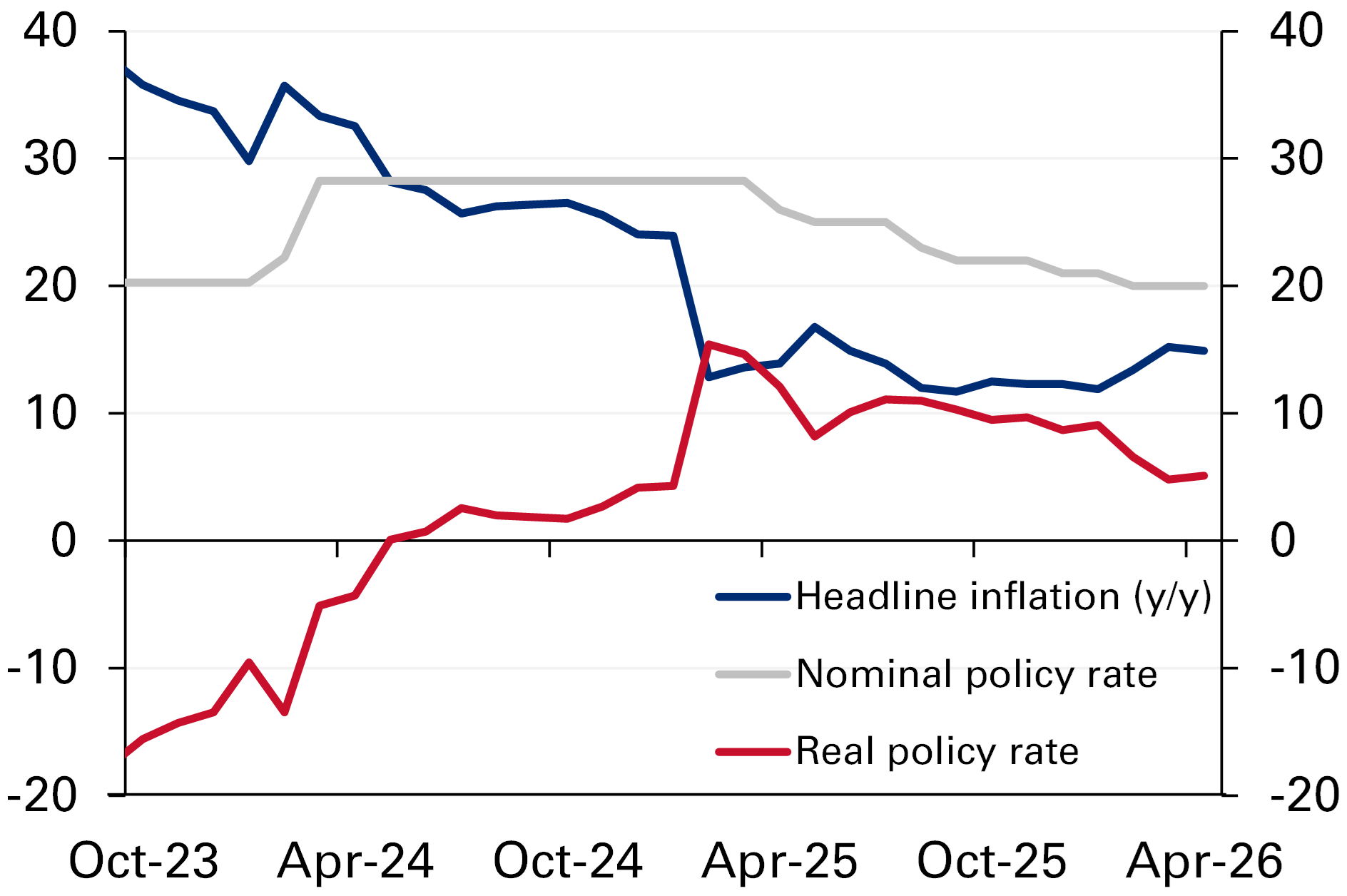
Egypt: Inflation eases slightly in April as lower food prices offset broader cost pressures. Egypt’s urban inflation rate slowed modestly to 14.9% y/y (+1.1% m/m) in April, down from 15.2% y/y (+3.2% m/m) in March, according to the latest data from CAPMAS. Also, core inflation decelerated slightly to 13.8% y/y (+1.1% m/m), from 14% y/y (+2% m/m) in March, according to the CBE data. The main factor behind the annual deceleration was a decline in food and beverage prices (-0.7% m/m), supported primarily by a sharp drop in meat and poultry prices (-5.6% m/m) that represent around 10% of the consumer basket weight. However, inflationary pressures remained visible across other components of the consumer basket. Most notably, the housing and utilities category rose by +4.2% m/m, reflecting the ongoing pass-through from recent energy-related price adjustments. The latest reading continues to highlight the divergence within Egypt’s inflation dynamics, where softer food prices are partially offsetting persistent increases in non-food components, especially housing, utilities, and transportation. Looking ahead, inflation risks remain tilted to the upside amid a difficult external backdrop, including elevated energy prices, supply chain pressures, and the impact of recent fuel and electricity tariff hikes domestically. The April inflation print nevertheless supports expectations that the CBE will likely keep interest rates unchanged at its MPC meeting on 21 May, particularly as real interest rates remain relatively high at around 5%, giving policymakers room to assess the broader economic implications of the ongoing regional tensions.
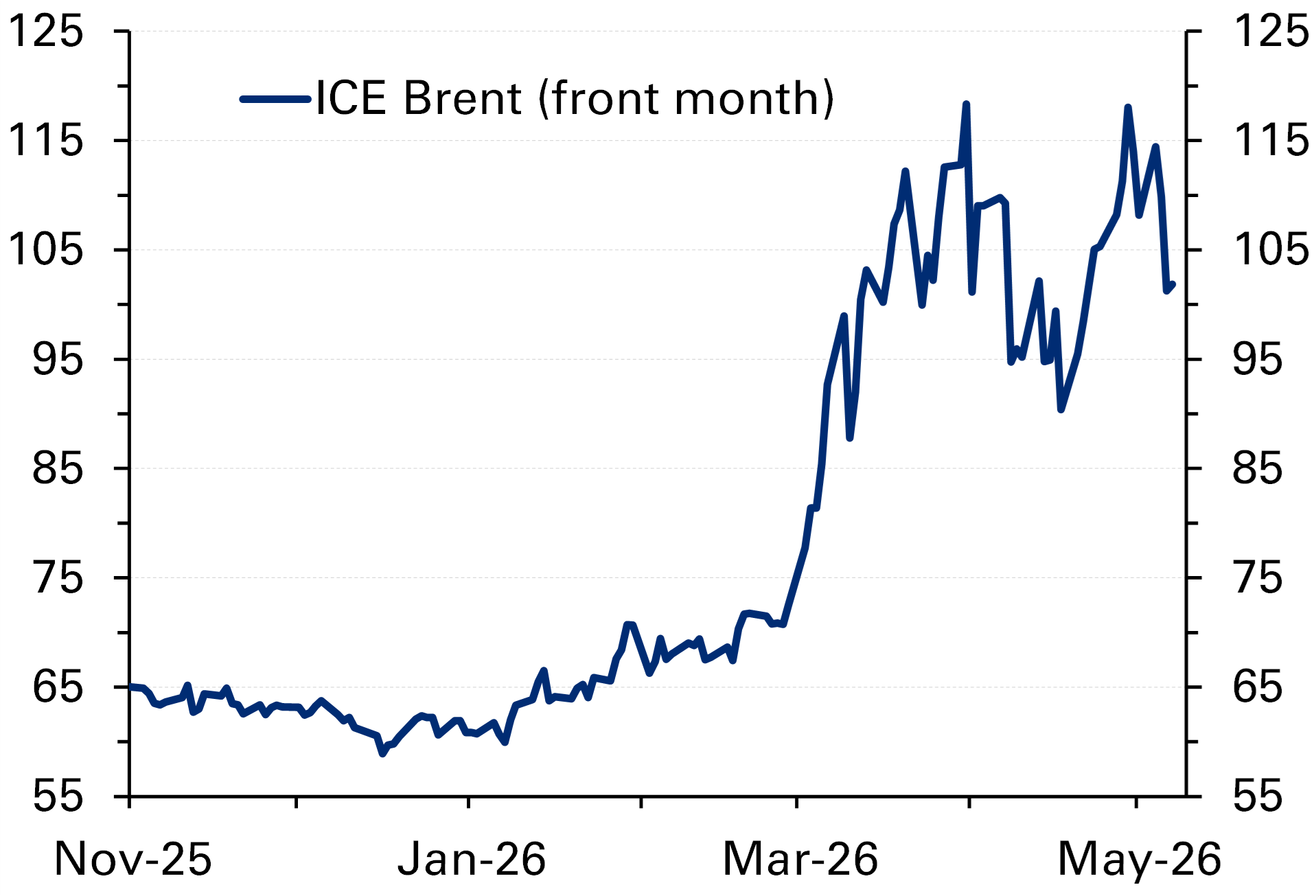
Oil: Prices retreat on increased hopes for a US-Iran peace agreement. Brent futures fell precipitously on Wednesday, sliding 7.8% d/d to settle at $101.3/bbl, and briefly dipping below the $100/bbl mark for the first time since 22 April. The sharp move lower reflects a decisive unwind of the geopolitical risk premium amid growing optimism around a diplomatic resolution to the US–Iran conflict. The catalyst was a report indicating that Washington and Tehran are close to agreeing on a one-page memorandum of understanding (MoU) to end the war and to establish a framework for more detailed nuclear negotiations. According to the report, the MoU would outline a 30-day negotiation window to finalize a broader agreement covering the reopening of the Strait of Hormuz, a moratorium on Iranian uranium enrichment for fifteen years, and the lifting of US sanctions. Iran will reportedly submit its response within 48 hours, adding to expectations of near-term de-escalation. Downward pressure on prices was moderated somewhat by ongoing signs of tightening fundamentals, however. EIA data showed continued drawdowns in US petroleum inventories for the week ending 1 May, with commercial crude stocks down 2.3 mb w/w, the SPR falling by 5.2 mb, and gasoline and distillate inventories declining by 2.5 mb and 1.3 mb, respectively.
US: Two Fed officials warn about higher inflation risks; private sector jobs in April rise sharply as per ADP data. Chicago Fed President Austan Goolsbee (a non-voting FOMC member) highlighted that the Middle East war “has not yet been a stagflationary-direction shock,” but rather “an inflationary shock”. About AI, he also warned that “we need to keep an eye on the forecasts and expectations of how much of the productivity surge is still to come,” as “the bigger the hype, the more rates would need to rise to prevent overheating” given the massive current spending on AI technology. Another regional Fed President, St. Louis’ Alberto Musalem (non-voting), suggested that the policy interest rate may remain steady “at its current level for some time,” saying “the risks have been shifting towards more risk on the inflation side than the employment side,” while expressing uncertainty about the final outcome of the Middle East war. At the FOMC’s last meeting in April, three members dissented against keeping the easing bias in the statement. We note that amid the impact of current high oil prices and supply-chain disruptions on inflation and growth, plus the upcoming Fed leadership change under Kevin Warsh, the policy interest rate outlook in 2026 has become increasingly cloudy. Separately, ADP data showed that private sector jobs in April grew by a higher-than-expected 109K, up from the 61K rise in March, posting the highest increase since January 2025, further pointing towards improvement in the job market. Finally, amid hopes of a US-Iran peace deal and resulting drop in oil prices, along with ongoing strong corporate earnings momentum and AI euphoria, the S&P 500 hit a fresh record high yesterday, rising 1.5%, while yields on UST fell across the curve.
Eurozone: ECB’s wage tracker indicates negotiated wage pressures remain contained so far. The latest ECB’s wage tracker (updated with wage agreements signed up to middle of April) indicates that negotiated wage trends have been stable since the start of the Middle East war. Based on recent collective wage agreements, negotiated wages are expected to rise by around 2.6% in 2026, unchanged from the previous update in late March. This suggests that while inflation has picked up again recently, it is being driven by higher energy prices rather than rising labor costs and that second-round effects in terms of higher labor costs have not been witnessed yet. The ECB also notes that wage growth is set to increase slightly later in 2026, but this largely reflects the fading impact of temporary one-off payments made in earlier years, not a renewed push for higher pay. Overall, the data reinforces the view that underlying wage pressures remain contained for now, which is welcome news for the ECB.