
 +965 2292 4888


Daily Economic Update
25.06.2026
Oil: Brent erases all conflict-linked price gains as geopolitical risk premium fades. Oil prices were again under pressure this morning in Asian markets amid intensifying risk-off sentiment linked to signs of progress on US-Iran peace discussions and expectations of quicker normalization of tanker traffic through the Strait of Hormuz. Brent dropped 2% to almost $72/bbl in early trading, below where it was on the eve of the conflict in late February, erasing all its gains over the last four months and extending losses to a potentially fourth consecutive day and to a cumulative 21% in June. Brent’s prompt spread, the price difference between its two nearest contracts, turned negative on Wednesday, flipping the forward curve into a bearish contango structure typically associated with near-term oversupply and incentives for inventory builds. The sell-off, which gained steam in the days leading up to the signing of the MoU in mid-June, has caught traders and observers somewhat by surprise, especially amid signs that tanker traffic transiting the strait, while increasing day by day, remains substantially below pre-conflict levels. It also suggests a degree of risk discounting by the market that may not be warranted given apparent differences in interpretations of the 14-point MoU (over levying tolls, for example) between the US and Iran that could lead to disagreement and reclosure of the Strait by the latter. Moreover, with global inventories falling well below five-year average ranges—oil stockpiles at Cushing in the US dropped to 12-year lows of 19 mb in the latest EIA release—a period of quite aggressive stock-building will inevitably ensue, which should be a positive impulse for oil prices. For oil exporters locked in during the conflict, such as Kuwait, Iraq and Bahrain, that may have been banking on an extended period of relatively elevated prices to recoup losses incurred over the last four months, oil’s sharp fall in recent weeks will be unhelpful.
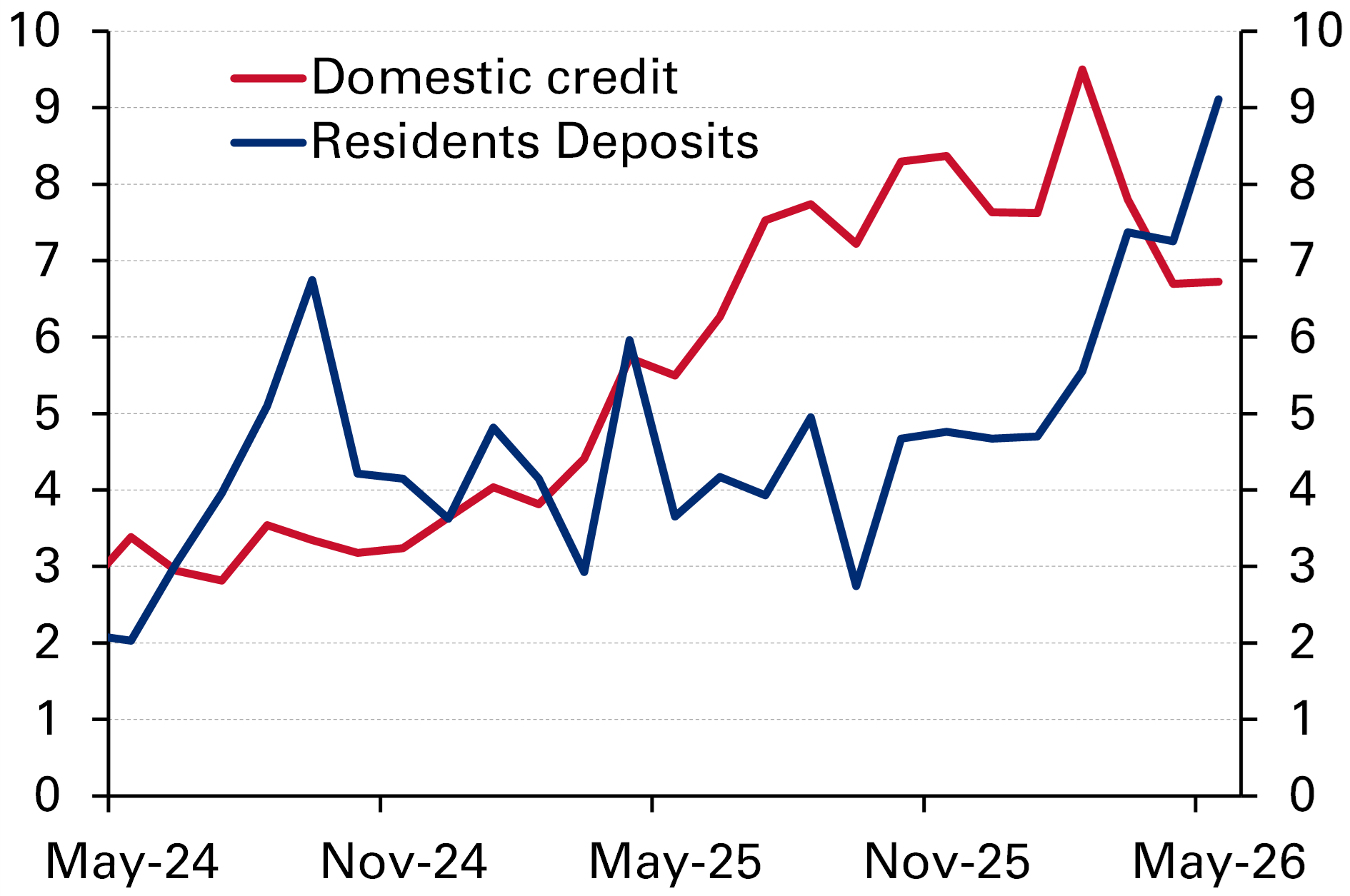
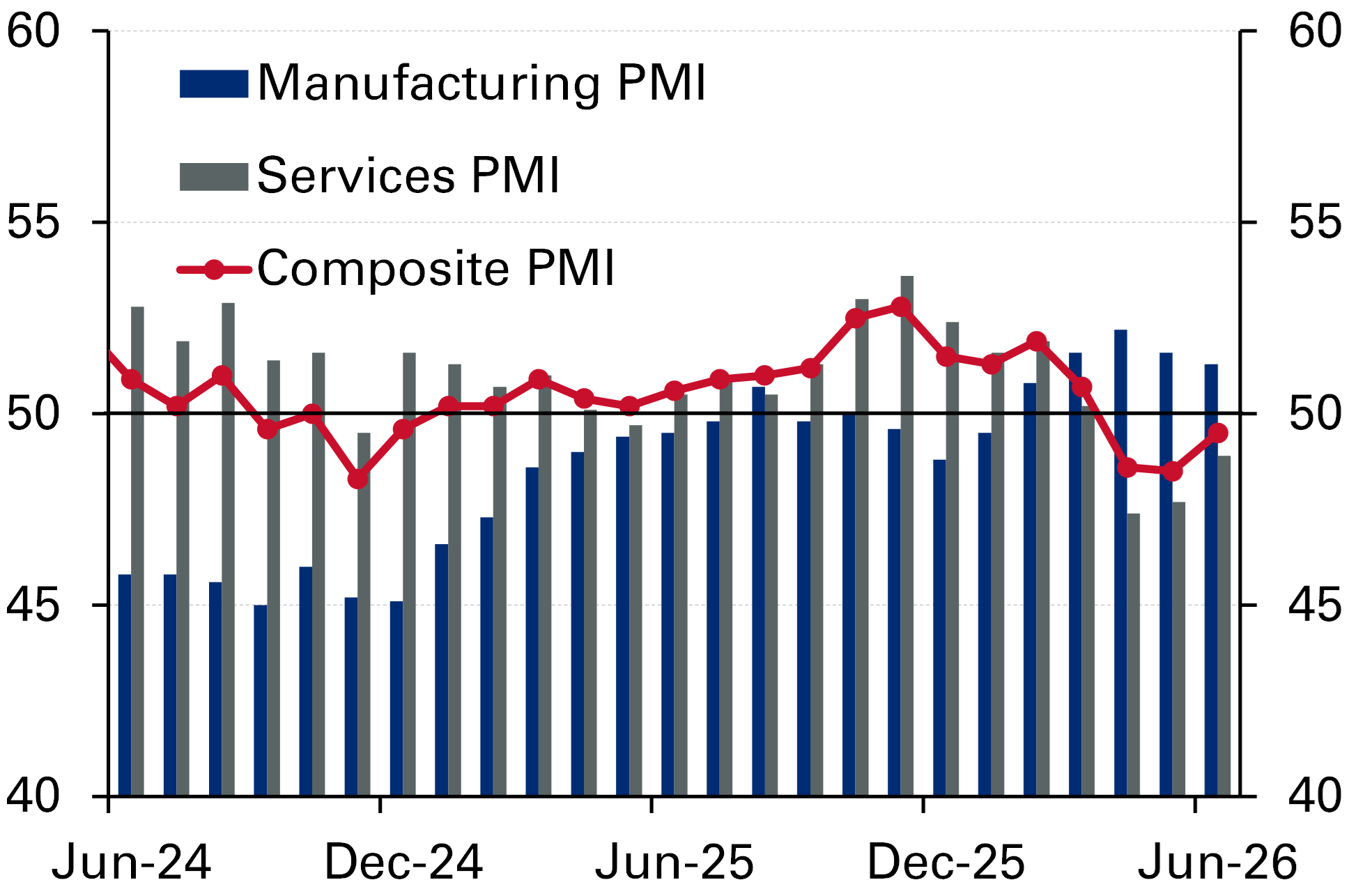
UAE: Oil exports rebound to 85% of pre-war levels thanks to the use of alternative routes. UAE total oil exports recovered to around 85% of pre-Iran war levels in early June, reaching 4.3mb/d after dropping to 1.9mb/d in March, according to a recent IEA report. The report attributed this sharp increase in oil exports to Abu Dhabi Crude Oil Pipeline (ADCOP), drawdowns from the 42mb Mandous underground storage complex near Fujairah, and the use of alternative shipping channels even before the US–Iran interim peace agreement. The report also pointed to the crucial role of ADNOC’s smaller tankers to sustain oil outflows. Meanwhile, the UAE ministry of finance began subscription for its first-ever government treasury sukuk targeted at individual investors, with a total issuance size of AED50mn, marking a step toward broadening domestic capital market participation and promoting savings among residents. The subscription period will run from 24th June to 30th June 2026 through approved digital channels with a minimum subscription amount of AED1,000. The inaugural T-sukuk will have a tenor of two years and will offer a profit rate of 4.30% per annum, determined in line with prevailing market conditions, with profit payable every six months. The initiative is part of a broader strategy to diversify the investor base beyond institutional participants, deepen local debt markets, and enhance financial inclusion.
Bahrain: CPI inflation rises to a one-year high amid higher food and transport costs. CPI inflation accelerated to 2.3% y/y in May from 1.4% in April, marking its highest level since May 2025. The pickup was driven by a sharp rebound in food and non-alcoholic beverage prices, which rose by 5.7% y/y compared to a slight contraction in the previous month. Inflation in the transportation sector also remained elevated at 10.4% y/y, while education costs continued to increase at a steady pace. Partly offsetting these pressures, housing and utility prices remained in deflation territory, while price declines also persisted across several consumer-related categories, including clothing and footwear, communication, and household furnishings. Inflation moderated in recreation and culture as well as miscellaneous goods and services. Overall, the latest reading suggests that price pressures are gradually building after a prolonged period of subdued inflation. However, with housing costs continuing to decline and inflation remaining relatively contained by regional/international standards, Bahrain’s inflation environment remains significantly more benign than what was expected amid the regional conflict.
Oman: 2025 closing fiscal account registers first deficit in four years. The state closing account for 2025 registered a fiscal deficit of OMR461mn (1.1% of GDP), the first deficit since 2021 from a surplus of 1.3% in 2024. This was due to a combination of lower hydrocarbon revenues (-9% y/y) and an increase in investment-linked spending (5% y/y). However, compared to initial budget estimates, the fiscal outcome outperformed versus the budget (OMR620mn deficit), due largely to above- budget (+11%) hydrocarbon revenues thanks to a more favorable average oil price of $72/bbl compared to an assumed price of $60. Non-hydrocarbon revenues grew by 4% y/y (2% above budget), reaching a series high of OMR3.64bn, reflecting continued revenue diversification efforts, although still comprising a relatively low share (30%) of total revenues, highlighting the ongoing (though declining) dependence on oil revenues and the importance of advancing fiscal sustainability and diversification objectives under Oman Vision 2040. On the expenditure side (3% y/y, 7% above budget), increases were mostly policy-driven, particularly in development spending (38% above budget) under the 10th five-year development plan (2021–2025), as well as social spending and subsidies aimed at supporting economic activity. The fiscal performance demonstrates prudent budget planning and execution, with outcomes aligned to initial estimates. Deficit financing came primarily from local borrowing in net terms without increasing total debt (due to repayments) which stood at OMR14.6bn (34% of GDP), down from 36% of GDP in 2024.
Saudi Arabia: Cabinet approves foreign real estate ownership regulations. The cabinet has approved the executive regulations governing foreign ownership of real estate, along with the designated geographical areas where non-Saudis will be allowed to own property. The move is aimed at attracting more foreign investment and supporting the development of the Kingdom’s real estate sector. The approved framework covers selected real estate projects in Riyadh, Makkah, and Madinah and comes nearly a year after the Ministry of Investment launched a public consultation on the proposed amendments. These new regulations are designed to improve transparency, streamline ownership procedures, and enhance the attractiveness of the Saudi property market, particularly in targeted economic zones and key cities. The decision also comes at a time when real estate and construction activity is showing signs of recovery. The construction sector returned to growth in May, supported by stronger residential building activity and an improvement in new project orders.
Egypt: Government expands fuel hedging plans to protect budget from energy price volatility. The government is considering hedging around 65% of its fuel imports during FY26/27, including crude oil, petroleum products, and liquefied natural gas (LNG), to shield the state budget from global energy price fluctuations and regional geopolitical risks. The move reflects a shift in policy as earlier this year authorities were considering scaling back hedging activities, but heightened regional tensions and increased volatility in energy markets have prompted a more cautious approach. In April, Egypt reportedly moved to hedge around 50% of its fuel imports, excluding natural gas. The importance of the strategy has grown as Egypt’s fuel import bill rose by 14% y/y to $5.5bn during Q126, driven by higher global energy prices and continued reliance on imports to meet domestic demand. Egypt still imports more than a quarter of the crude oil requirements of its refineries. Officials are currently studying pricing options with international financial institutions to lock in part of the country’s future energy costs, helping improve budget predictability and providing greater visibility over foreign currency requirements. The proposed expansion of the hedging program comes as the government plans to reduce petroleum subsidies significantly in FY26/27, making protection against unexpected energy price spikes increasingly important for maintaining fiscal stability.
US: New homes sales surprisingly decline amid high mortgage rates and worsening affordability. New home sales in May unexpectedly declined 7.3% m/m following a fall of 5.7% in April to hit the lowest level since January. High mortgage rates (30Y fixed at around 6.6%, +50 bps since February end), rising home prices (+13% cumulative in three years), elevated inflationary pressures, and slowing wage growth have worsened affordability for many would-be first-time homebuyers. Falling sales have also driven inventory of unsold new residential units higher, reaching over 10 months of sale at the current pace, the highest level since 2009. However, homebuilders have started to respond by slowing construction activity.