 +965 2292 4888


Economic Insight
13.08.2026
The recent switch in UK prime ministers has eased some political headwinds and delivered a poll bounce for the governing Labour party, but the path to a sustained economic revival faces familiar hurdles. New PM Burnham intends to address the high cost of living and is proposing a greater degree of regional devolution, besides delivering on other redistribution-inclined initiatives. But his growth-boosting efforts are constrained by ongoing fiscal limitations. So far, the UK bond market has taken modest new spending announcements in stride but is watching closely and any plans for a major boost without offsets will likely trigger a sharp reaction. Inflation has moderated recently, but reaccelerating energy prices are expected to reverse the trend, keeping interest rate hikes on the table. Given these factors, plus ongoing weakness in the labor market, the growth outlook remains generally uninspiring. While the new government naturally brings some hope of improvement, the current base case for growth in 2026-2027 remains subpar at below 2%. As per the IMF however, UK growth will still outperform its G7 peers, with the exception of the US and Canada.
Burnham transition to PM clears uncertainty, but fiscal constraints limit the scope for bold measures
Former Mayor of Greater Manchester Andy Burnham became the new UK Prime Minister last month, after Keir Starmer stepped down amid poor poll ratings and pressure from his own party’s MPs. Burnham comes in with a policy agenda to the left of his predecessor including an intention to nationalize some utilities and pursue public housebuilding. One of his early decisions to address the high cost of living was cutting the VAT on electricity bills. He is also proposing a greater degree of administrative devolution by granting more economic flexibility to local governments, utilizing the current Greater Manchester model wherein revenue is shared with the local government instead of being received as direct grants from the central government. However, the political appetite to replicate the devolution model including creating an additional procedural layer, its effective implementation, and whether that can deliver the desired long-term outcome remain unclear. Separately, after Burnham’s swearing-in, the governing Labour Party’s approval rating has risen, bridging the gap with the current favorite, the Reform UK party. If Burnham can deliver a sustained and decisive poll lead over the coming months, it is possible he may call an early general election (compared to the scheduled 2029 poll) to secure a fresh mandate, although he has ruled out such a possibility for now.
In terms of fiscal policy, Burnham reaffirmed Labour’s prior commitment not to raise most income taxes or VAT rates. He may seek to rationalize welfare spending including through tightening disability benefits-related criteria but is already facing pushback from some Labour MPs. In addition, there is speculation that he could raise the income tax-free allowances (i.e. thresholds, which have been frozen since 2021) which, if enacted, will sharply reduce the government’s revenue. Previously, former PM Starmer tried to trim some welfare outlays (at a fairly small scale) but was forced to backtrack amid stiff opposition from his own party. Therefore, given the political backdrop, succeeding in improving the weak public finances through meaningful cuts in spending or widespread tax hikes appears unlikely.
Burnham has also promised to stick to the existing fiscal rules of meeting current spending with revenues and to have public debt starting to fall by FY2029-2030 but at the same time mentioning that he would utilize “any flexibility within them”. The government could look to lift investment spending (in which the UK has lagged the US/EU) by channeling it through public institutions where it will not technically contribute to debt. And adding to upcoming spending pressures, new Chancellor Healey had campaigned to substantially raise defense spending when he was Secretary of State for Defense in the Starmer administration. So far, the bond market’s reaction to Burnham’s economic plans has been relatively limited but the next milestone for the market will be the Autumn budget later this year. Any plans for a fiscal boost without proportionate offsets will likely trigger a sharp reaction in the markets, echoing the moves seen during the Liz Truss episode in late 2022 when gilt yields abruptly surged on concerns related to unfunded tax cuts, leading to the collapse of Truss’s premiership. To avoid a similar fate, the new administration may find itself constrained in its ability to deliver bold measures and have to settle for generally maintaining the status quo, limiting the scope for a boost to economic growth from fiscal stimulus.
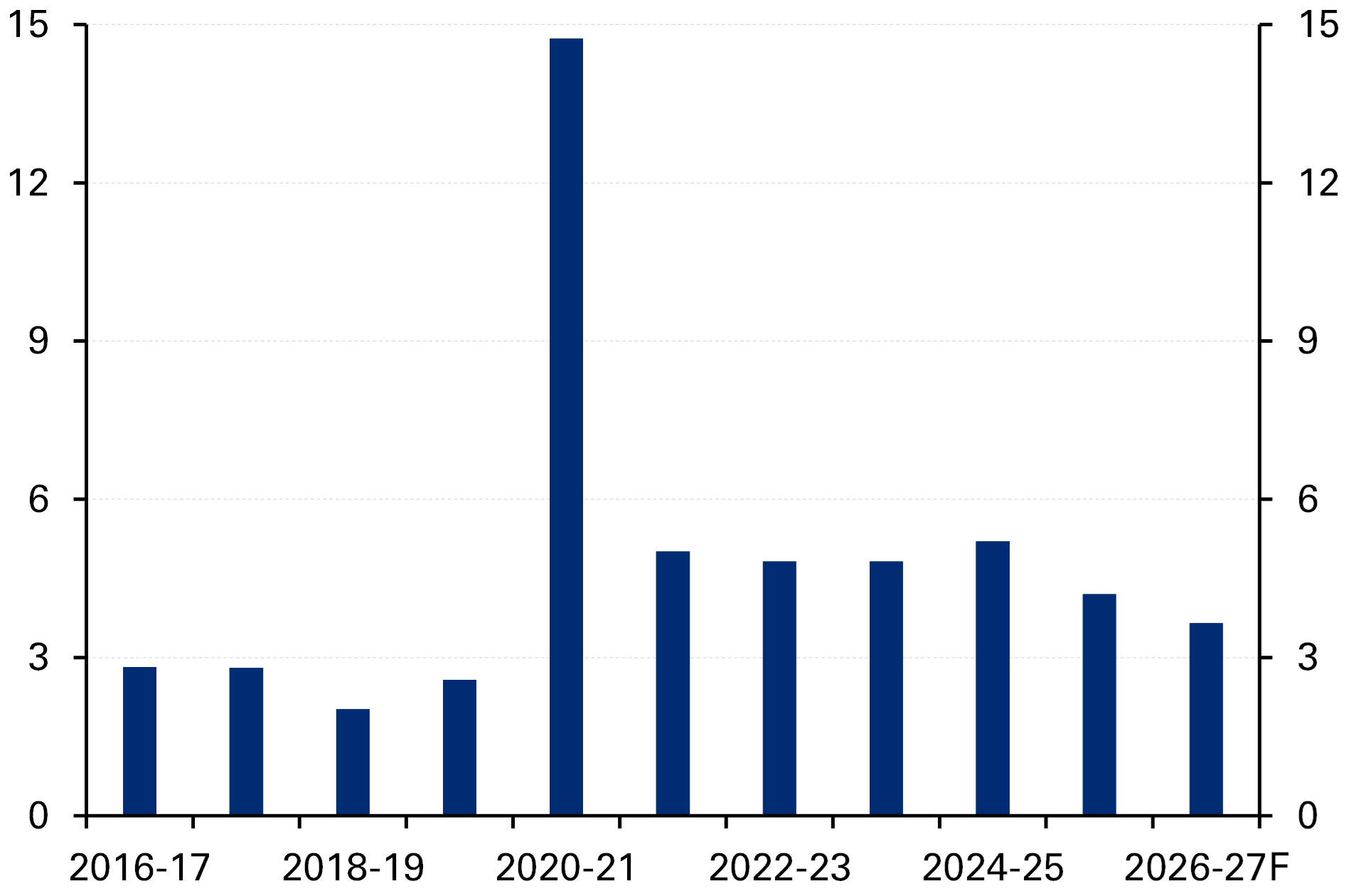
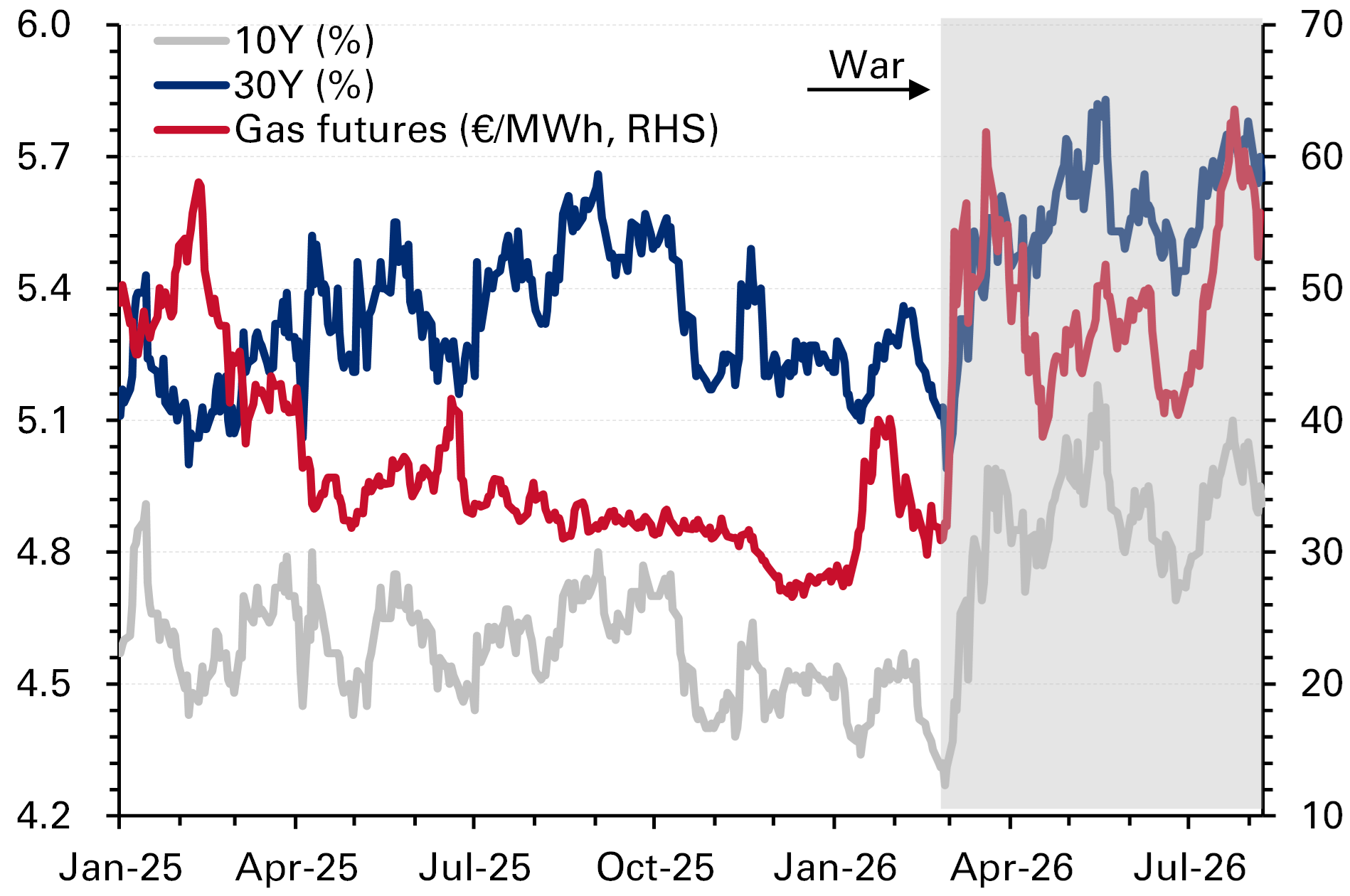
Highlighting the poor fiscal metrics, the government missed its deficit target for the last two fiscal years and is also underperforming so far in the current year. In FY2025-2026 (ending March 2026), the fiscal deficit to GDP stood at 4.2%, above the government’s target of 3.9%, and in the first three months of FY2026-2027, net borrowing came in around 5% above the budget for the period. The bulk of the deviation during the April-June period was driven by higher-than-planned interest expense, partly due to rising interest rates on government bonds. Gilt yields have climbed steeply since the Middle East war began partly reflecting the surge in energy prices and worse inflation outlook, adding to pressure on government finances; 30-year yields are currently trading near the highest level since 1998. If these elevated yields persist, the government will likely miss its 3.6% deficit to GDP target for FY2026-2027.
Economy broadly resilient; growth outlook is lackluster but outperforming peers on average
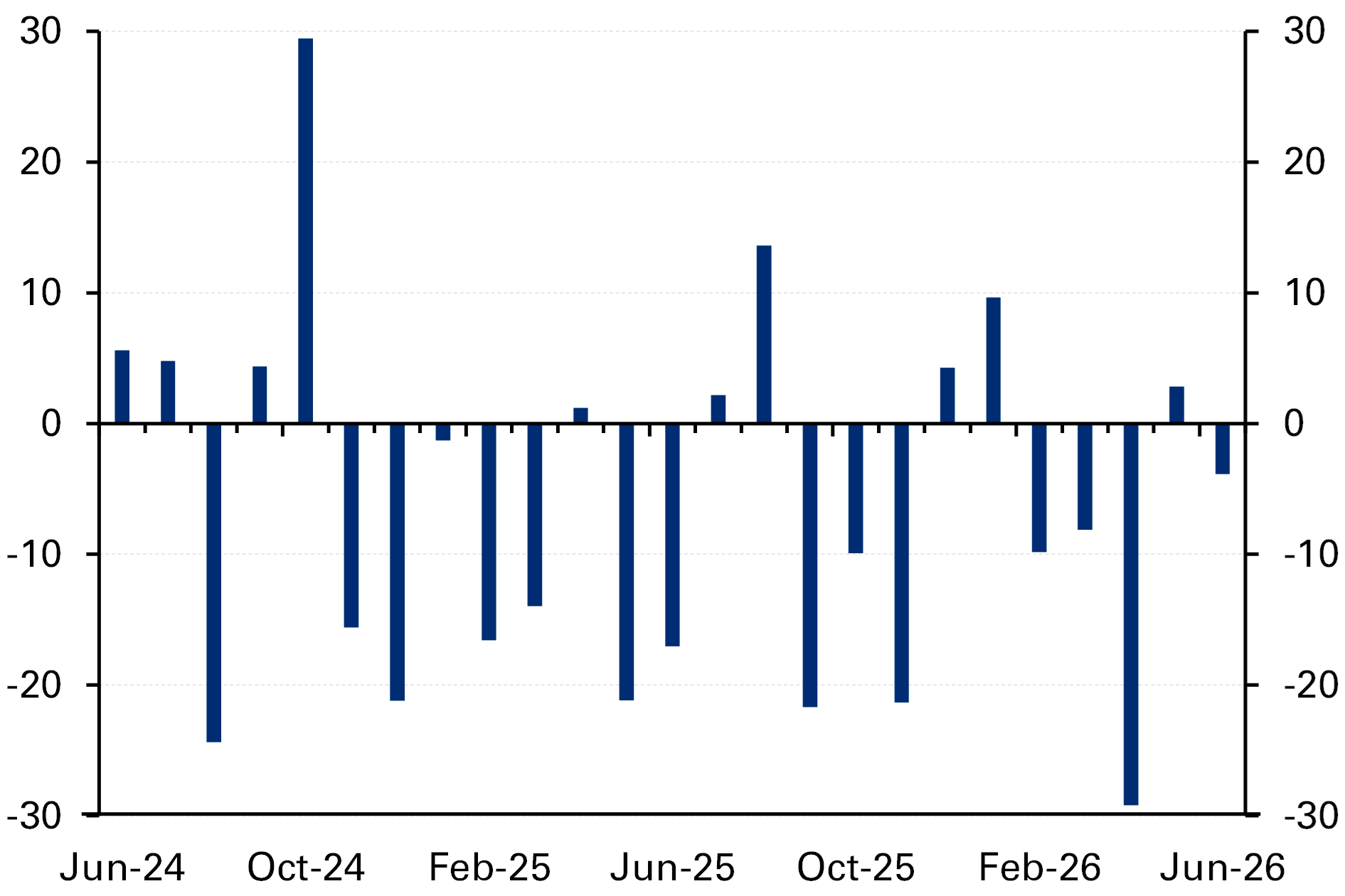
The UK economy has so far shown some resilience to the fallout from the Middle East war. GDP growth in Q2 accelerated to 1.2% y/y from 0.9% in Q1, supported by robust consumer spending despite high fuel costs, while manufacturing has benefited from stockpiling given supply-shock disruption concerns related to the Middle East war. This relatively decent economic growth materialized despite ongoing weakness in the labor market with total jobs now having declined by 177K since the introduction of higher National Insurance Contributions in the Autumn Budget of 2024. Positively, the latest PMI surveys signal early signs of stabilization, with the pace of job cuts generally moderating, raising the possibility that the labor market’s worst period may be behind us.
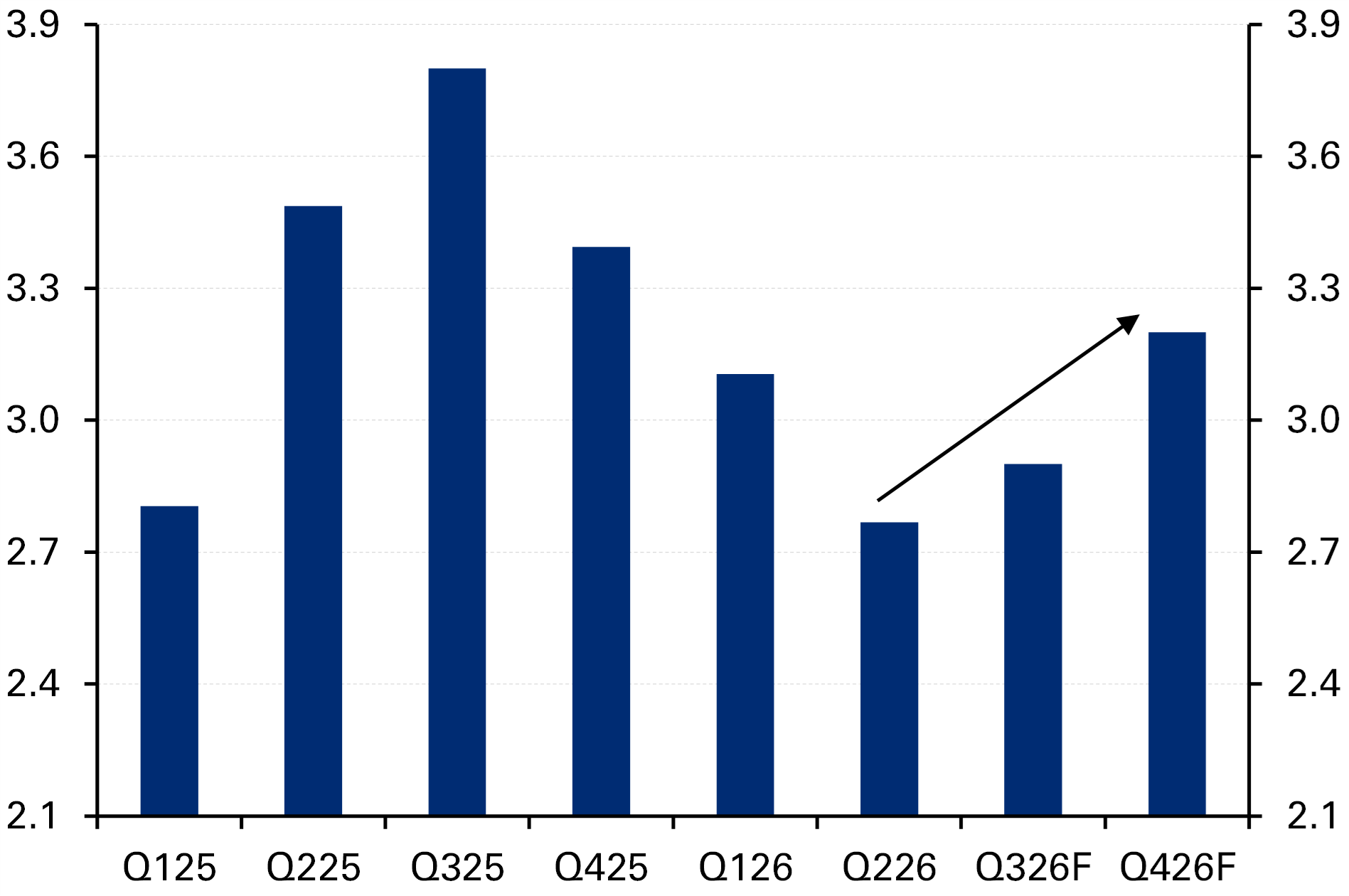
Meanwhile, despite surging fuel prices, inflation in recent months has been cushioned by the government’s past measures such as freezes on fuel duties and rail fares as well as other regulatory measures on household energy bills. In fact, CPI inflation in June dropped to the lowest level since March 2025 at 2.6% y/y. However, looking ahead, inflation is set to increase driven by higher regulatory caps on energy bills, a re-acceleration in European gas prices and global energy prices at large. Accordingly, the Bank of England (BoE), in its latest central projections, forecasts CPI inflation to accelerate to 3.2% by Q4. Higher inflation may drive an increase in the policy interest rate this year as per the current futures market pricing.
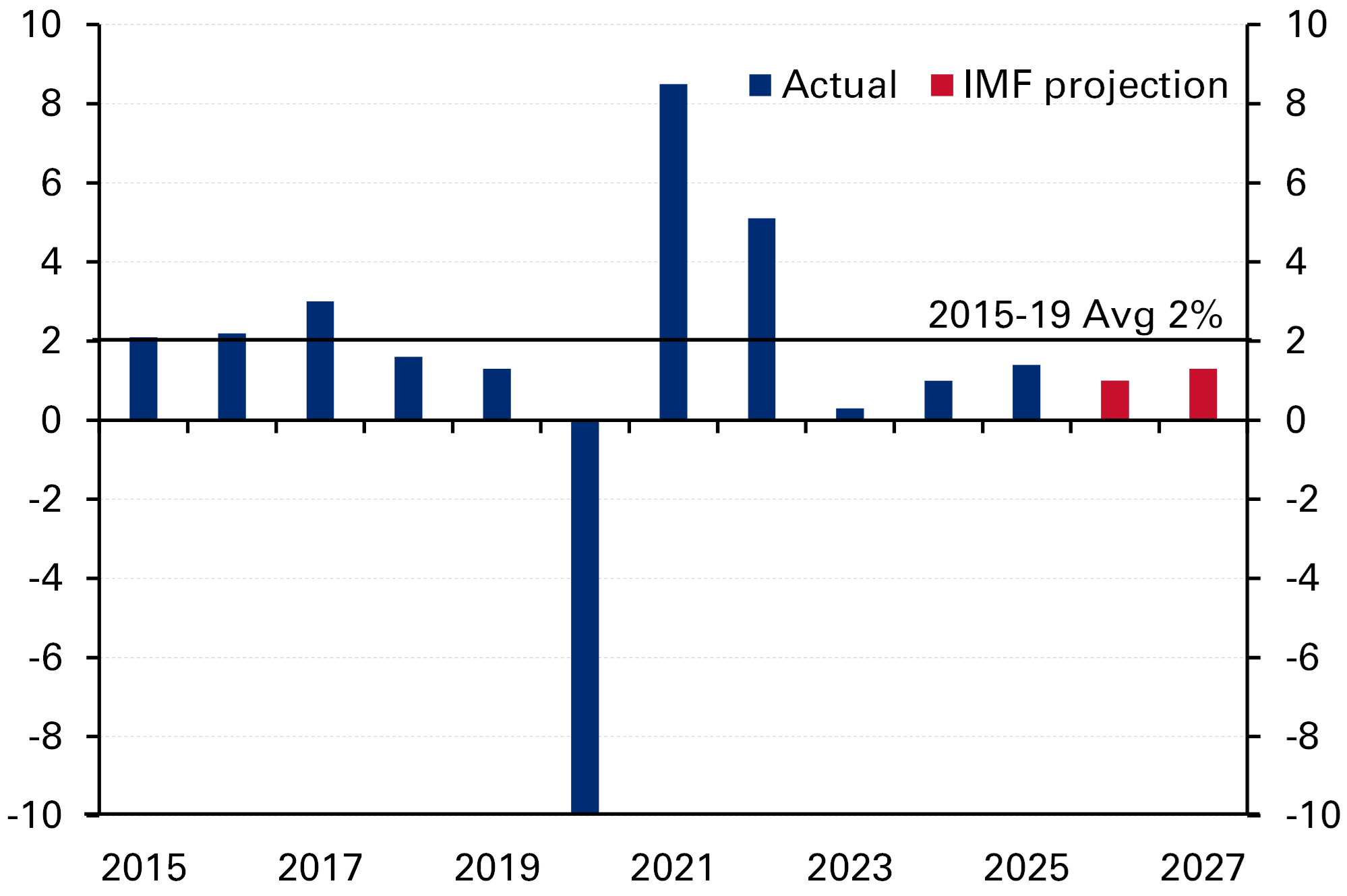
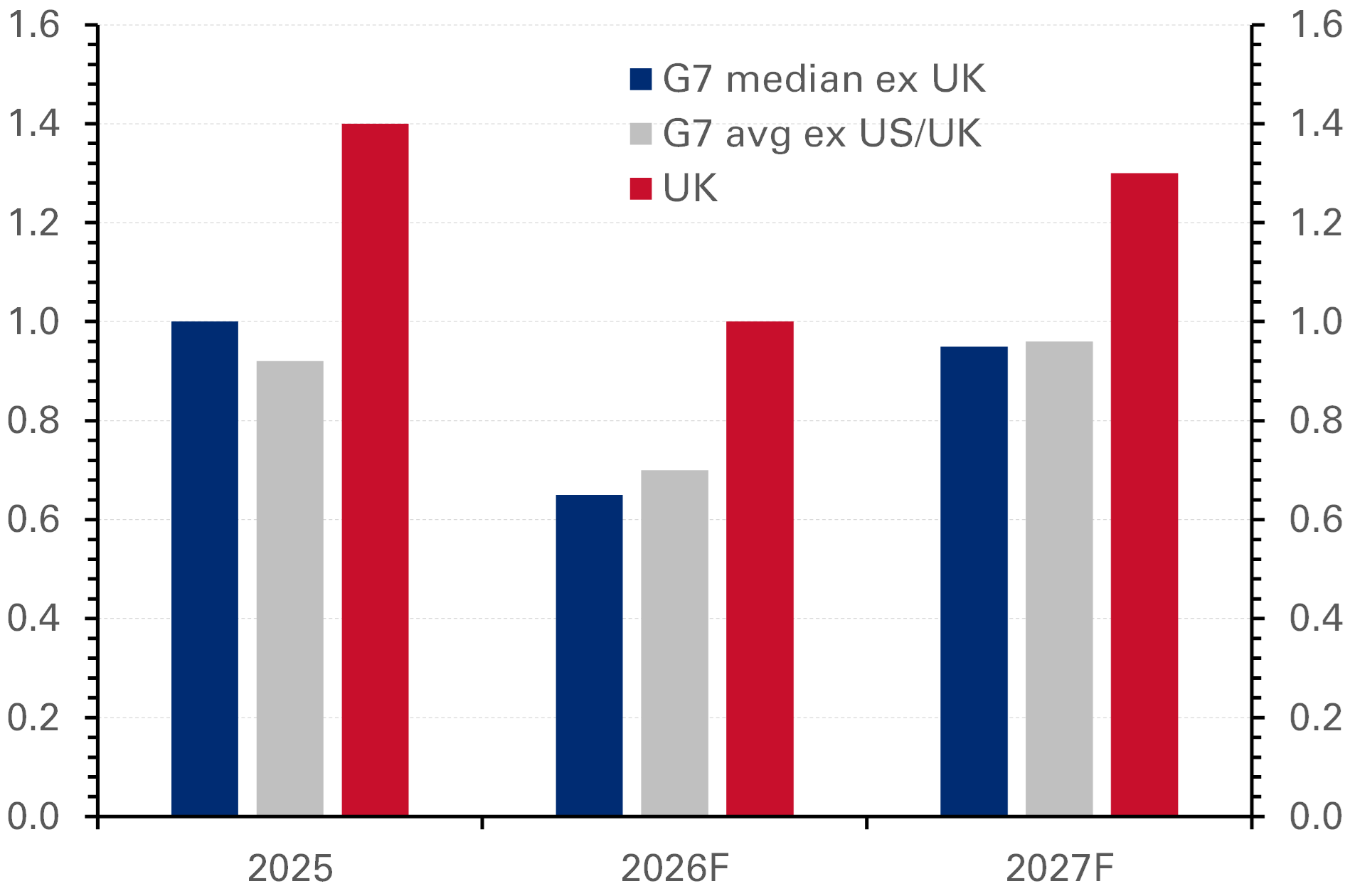
Given fiscal constraints, elevated energy prices, potentially higher policy interest rates, and a weak labor market, the UK growth outlook remains generally uninspiring. While the new government may bring some hope and fresh thinking, the current base-case is for growth in 2026-2027 to remain much below the 2015-2019 average of 2%. The IMF projects GDP growth of 1% for 2026, decelerating from 1.4% in 2025, followed by 1.3% in 2027 while the BoE projects 1.1% growth for both 2026 and 2027. Still, although the UK’s growth outlook is weaker than the pre-pandemic average, we note that it is expected to outperform most G7 peers. Median G7 ex. UK GDP growth stands at 0.65% and 0.95% in 2026 and 2027, respectively, as per the IMF. The US aside, the UK is expected to trail only Canada in terms of 2026-2027 growth, in fact easily outperforming Germany, France, Italy and Japan, possibly supported by a milder impact from the Middle East war and softer goods trade-related disruptions.