
 +965 2292 4888


Economic Insight
14.06.2026
New Fed Chair Kevin Warsh will face no easy options with the worsening inflation and improving labor market complicating his plan to cut rates. Keeping or removing the easing bias from the policy statement at the June FOMC meeting is the first real test for Warsh, and it is looking increasingly difficult to retain that easing bias. More importantly, beyond June, if Warsh maintains his easing bias without having a majority of the FOMC behind him (as is the case now), rate cuts are unlikely to materialize with possibly risky implications for the Fed Chair’s credibility. In contrast, if Warsh shows a willingness to follow a neutral “wait and see approach” or if he turns hawkish (which carries a low probability), it probably won’t be long before President Trump resumes his verbal attacks on the Fed, calling for steep rate cuts. Given no easy option, we believe the Fed is entering a challenging phase, with its credibility/independence continuing to be at stake. Obviously, there is also the possibility that, in the second half of the year, and depending on the inflation/labor market developments/outlook then, Warsh manages to garner enough support at the FOMC for cutting rates; opening the Strait of Hormuz sooner rather than later would obviously help in realizing that scenario.
Inflation has been rising fast; ISM price gauges and market-implied measures indicate further inflation ahead
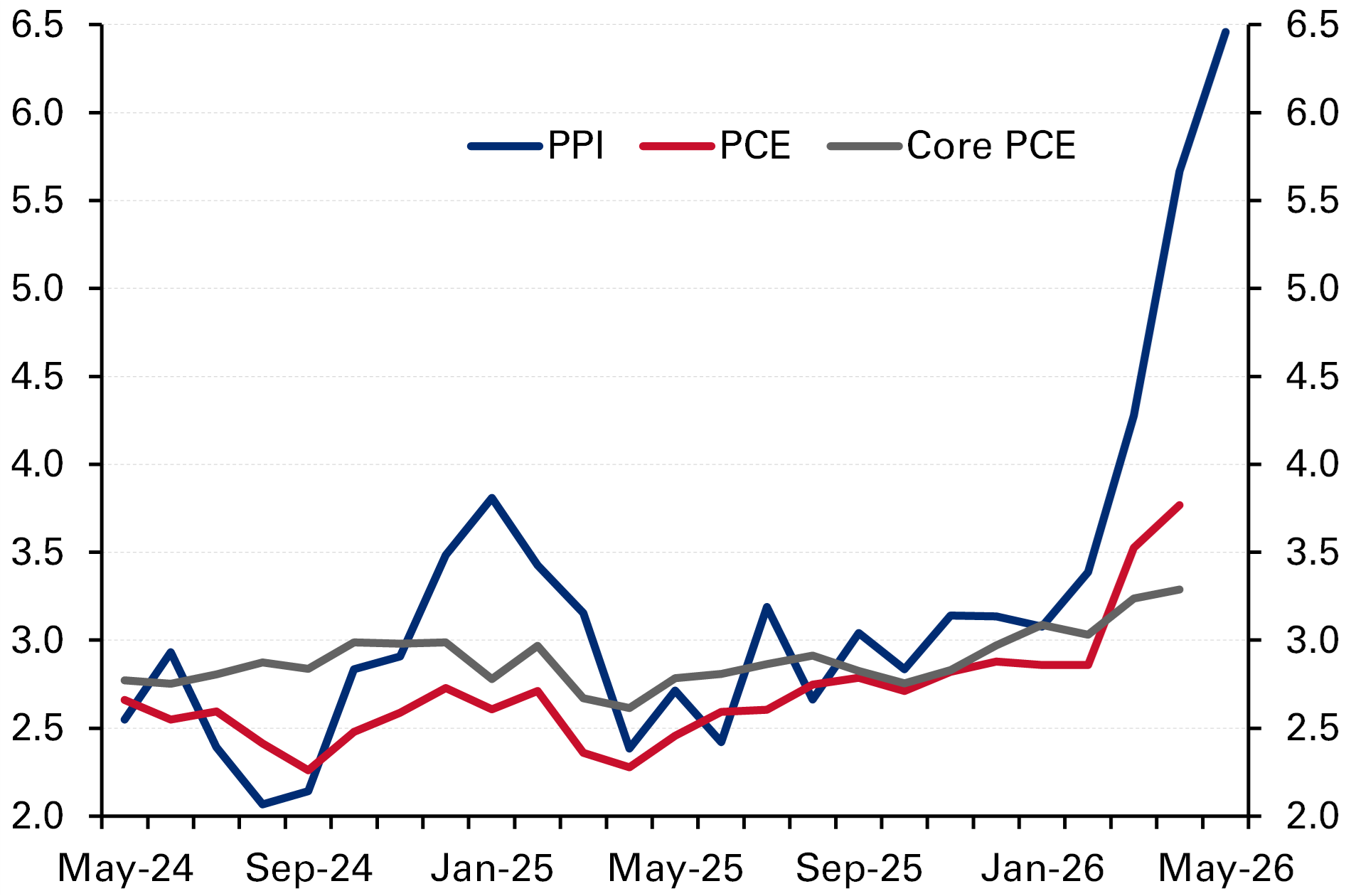
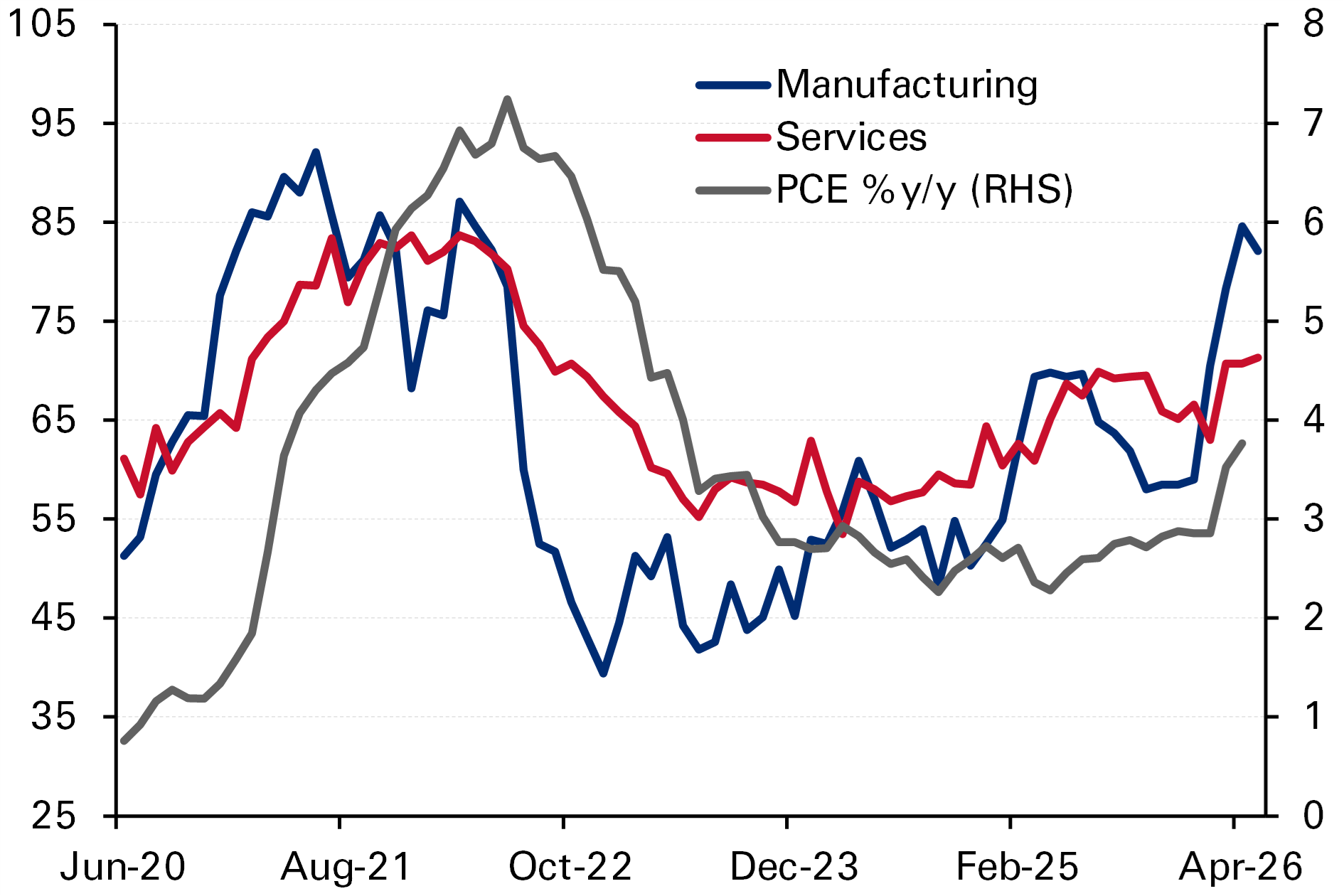
While inflation had been problematic even before the onset of the Middle East war, the resulting jump in oil prices and supply-chain disruptions have pushed inflation higher and sharply worsened the near-term trajectory. In April, PCE inflation was at a nearly three-year high of 3.8% y/y and the core rate (3.3%) hit the highest reading since November 2023. So far, most of the impact of higher oil prices is concentrated within the energy-related components such as gasoline and transportation. However, the longer energy prices remain elevated, the higher the chance that second-round effects will start to kick in driving underlying inflation higher. Some leading indicators of consumer price inflation such as PPI inflation and the prices paid measures of the ISM PMIs have climbed to hit levels not seen since 2022.
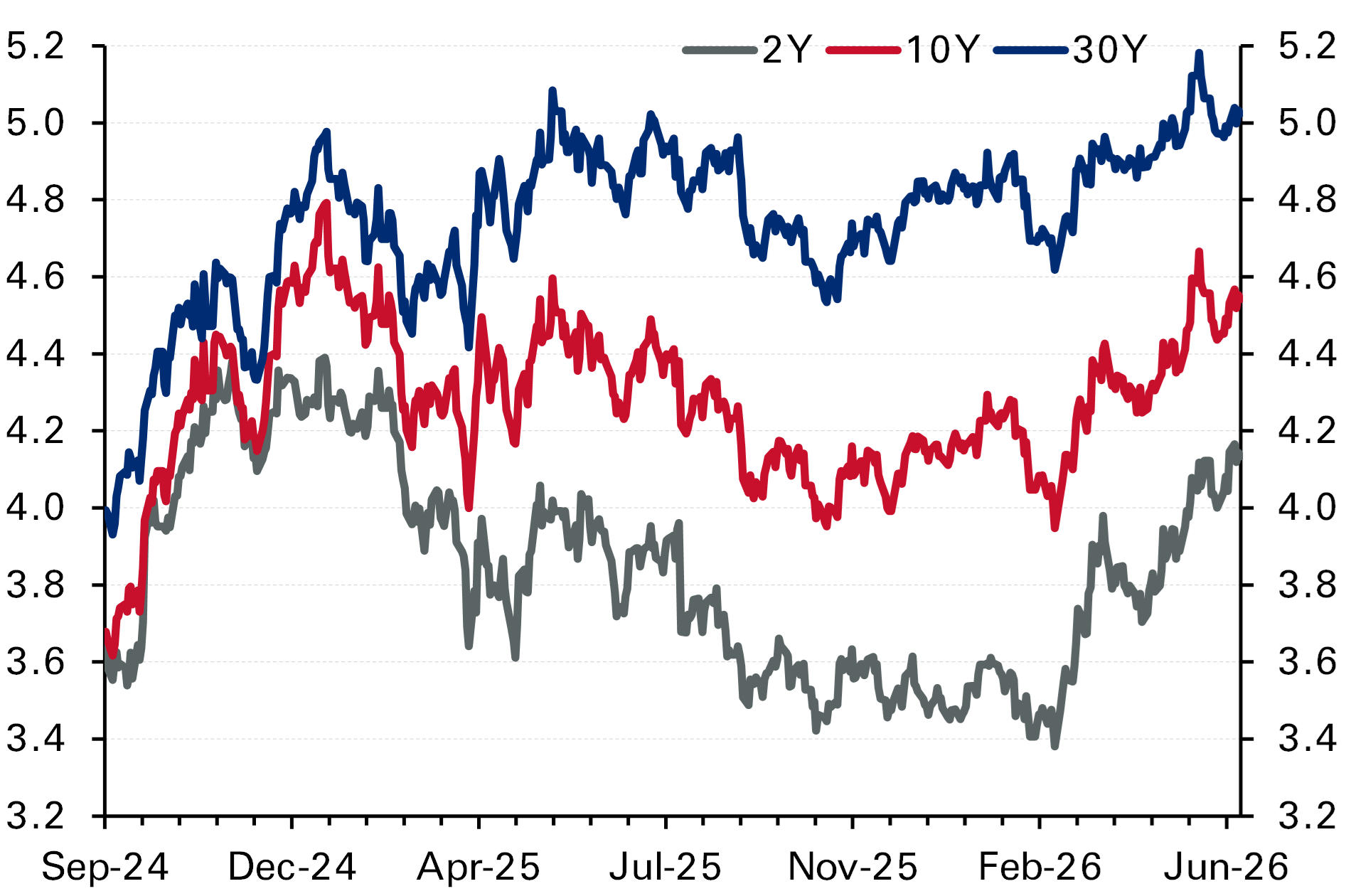
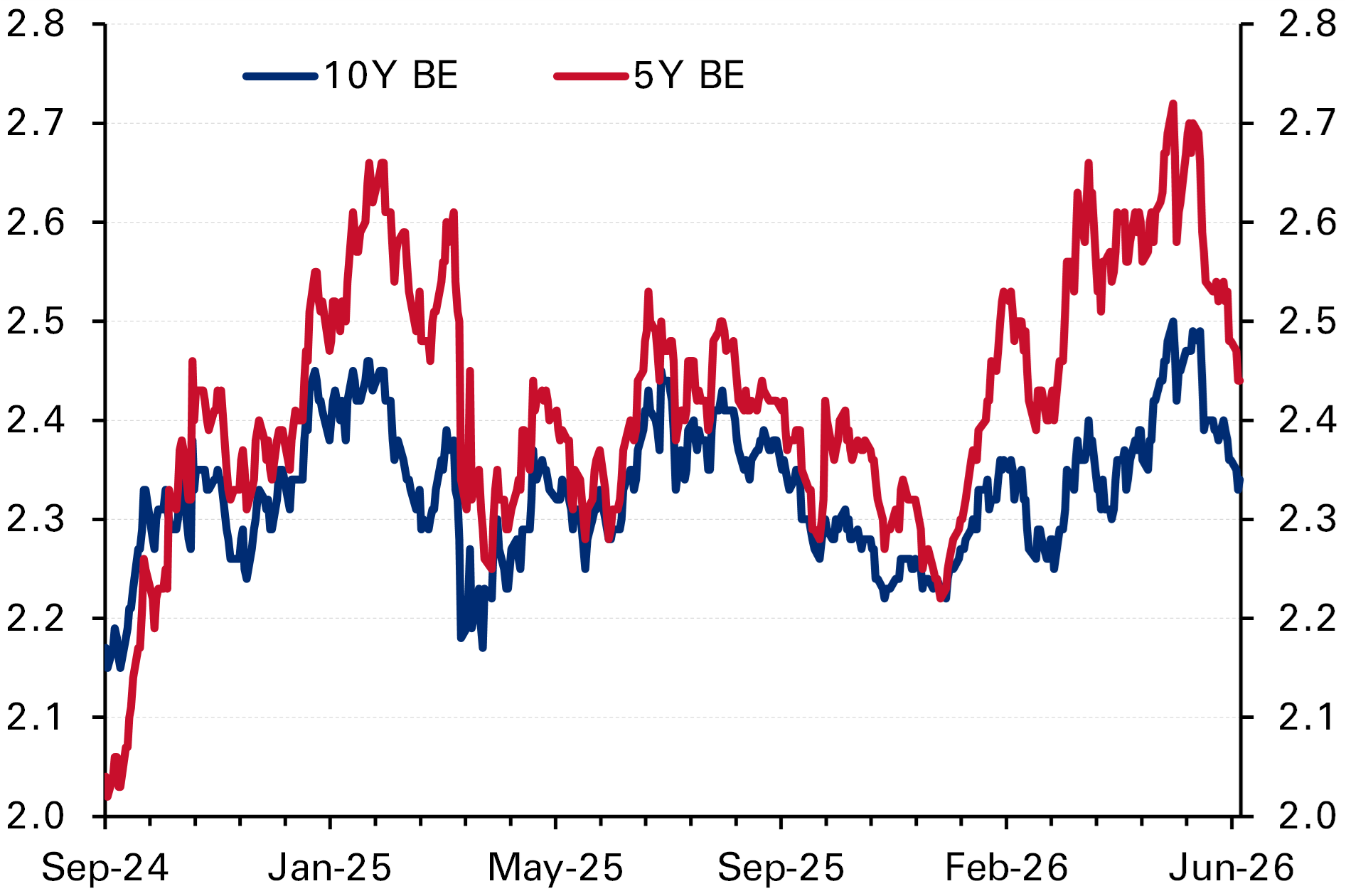
A shift in inflation dynamics has also driven a surge in US government bond yields and market-implied measures of future inflation. For example, five-year and 10-year breakeven inflation rates have risen rapidly so far this year, though edged down from recent peaks.
The labor market is improving and economic growth remains robust, even seen accelerating
After weakening in 2025, the labor market has been steadily improving in recent months, helped by fading uncertainty following the administration’s disruptive trade and immigration policies. Monthly job growth, which averaged only 10K in 2025, has sharply improved to 114K YTD through May, and is not too far from the level recorded in 2024. The unemployment rate has also generally stabilized, standing at 4.3%, which is close to levels that are considered ‘full employment’. Several other labor-market data points have also been reflecting improving conditions overall, characterized by strengthened hiring and ongoing low layoffs.
In addition, economic growth continues to be robust driven by the ongoing AI-related investment boom and strong household spending, which is supported by record-high equity markets. Based on the latest consensus estimates, GDP is set to grow by around 1.8% this year and by a stronger 2.1% in 2027. This solid economic backdrop should be driving real interest rates higher, which are already reflected in the higher bond yields. Given these inflation and growth dynamics, it is no surprise that the current market pricing is indicating around a two-third probability of at least a 25bps interest rate hike by end-2026 versus expectations of around two cuts before the Middle East war commenced.
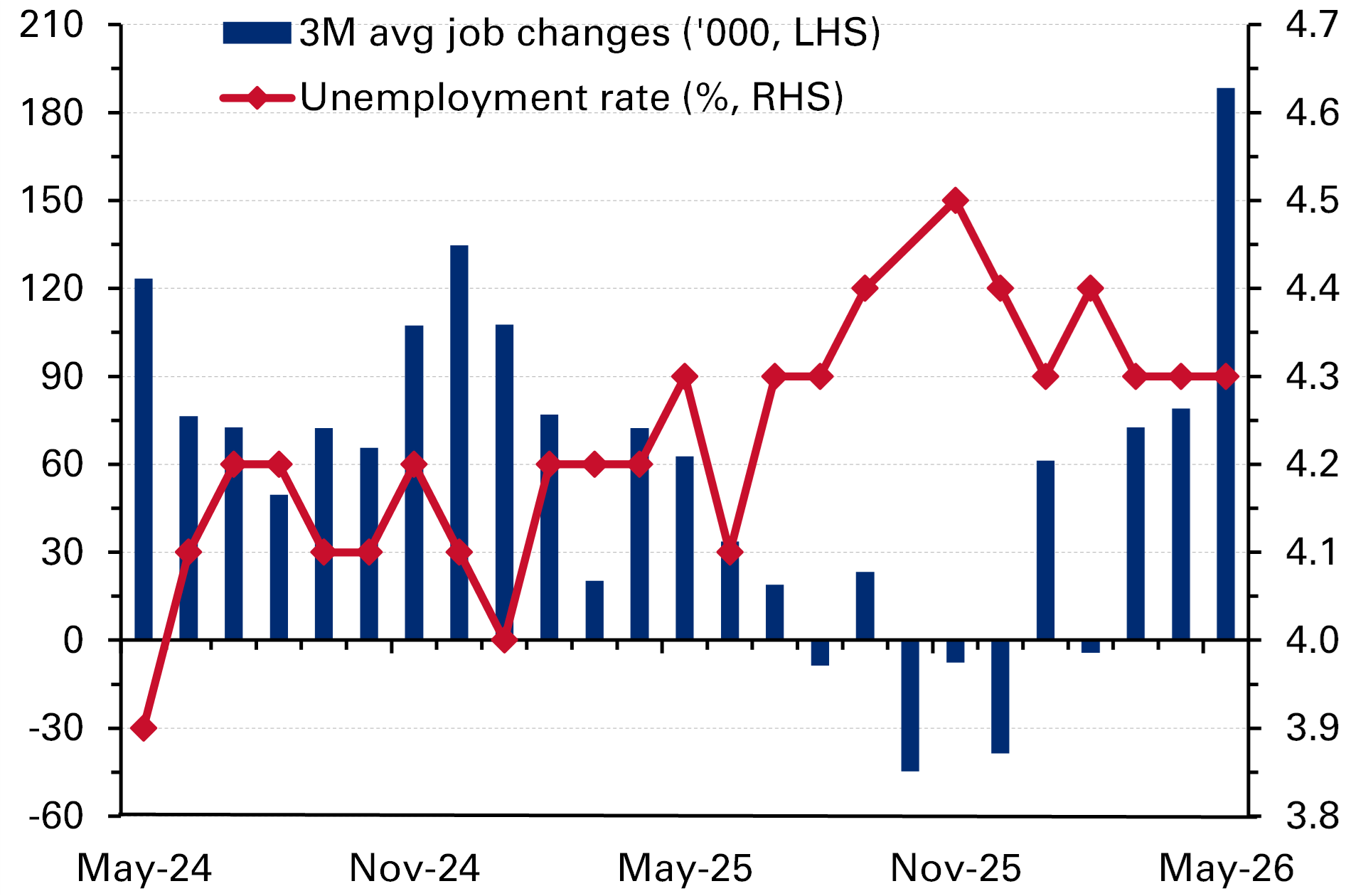
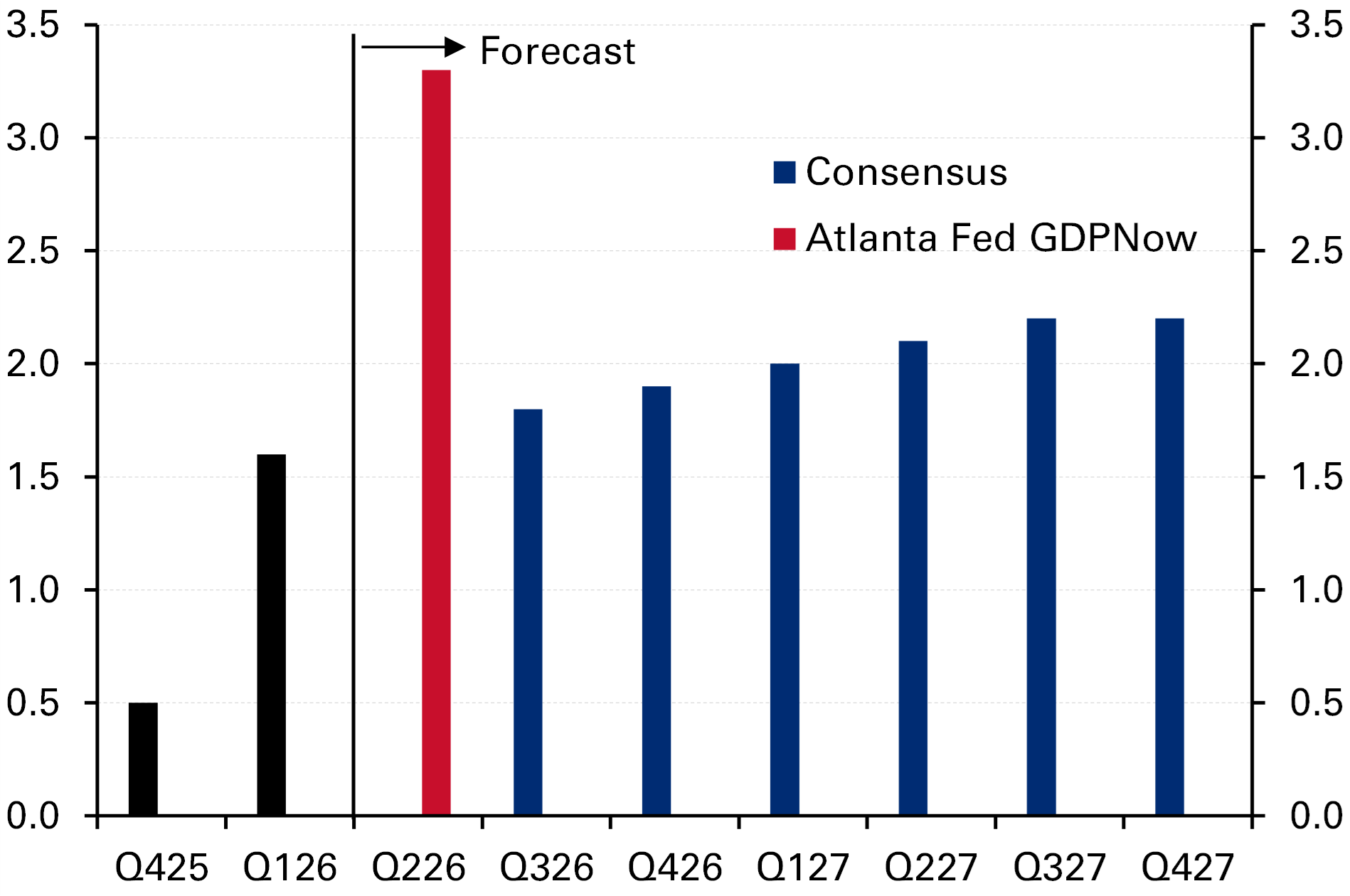
Fed entering a challenging phase with the macro backdrop complicating new Fed Chair Warsh’s easing plans
This backdrop of worsening inflation, improving labor market, and robust economic growth will make the job of new Fed Chair Warsh challenging, precisely because he is coming with a pre-set mandate to cut interest rates. In fact, keeping or removing the easing bias from the policy statement at the upcoming June FOMC meeting may be the first real test for Warsh at the Fed. Given that three FOMC members had already dissented in favor of removing that easing bias in April, and based on the inflation/labor market developments as well as the Fed speak since, it is looking increasingly difficult to retain that easing bias in June.
More importantly, beyond June, Warsh will likely face no easy options, noting that the situation in the Strait of Hormuz will remain a key matter influencing the inflation outlook as well as the Fed’s decision making. If Warsh maintains his monetary policy easing bias without having a majority of the FOMC behind him (which is the case now), rate cuts will be unlikely to materialize with possibly risky implications for the Fed Chair’s credibility. In contrast, if Warsh will be willing to pause for a while, following a neutral “wait and see approach” or if he turns hawkish (which carries a low probability), it probably won’t be long before President Trump will resume his verbal attacks on the Fed, calling for steep rate cuts.
Obviously, there is also the possibility that, in the second half of the year, and depending on the inflation/labor market developments/outlook then, Warsh manages to garner enough support at the FOMC for cutting rates; opening the Strait of Hormuz sooner rather than later would obviously help in realizing that scenario. In all cases, we believe the Fed is entering a challenging phase, with its credibility and independence continuing to be at stake.