
 +965 2292 4888


Economic Insight
25.05.2026
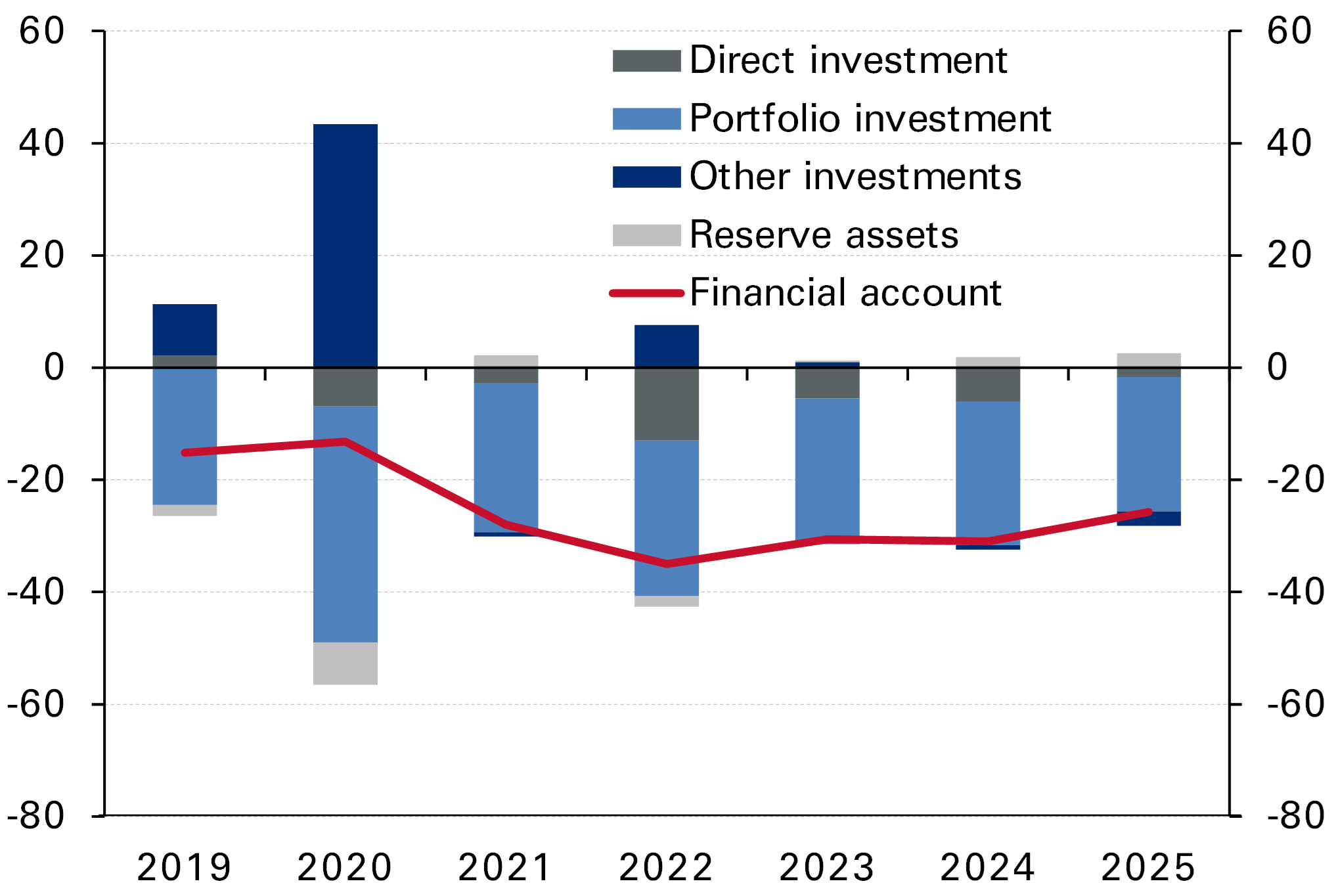
Kuwait’s current account surplus moderated in 2025 but nevertheless remained very large at almost 23% of GDP. The dip reflected weaker oil prices, higher imports of goods and services, especially machinery, plus higher workers’ remittances. These pressures were partly offset by investment income that continued to rise and serve as an important buffer against lower oil revenues. In the financial account, net outflows declined for the third consecutive year, driven by weaker outward direct investment and shifting portfolio allocations towards debt instruments. Inward investment (FDI) also fell again. Looking ahead, the volatility and disruption caused by the Iran conflict and the closure of the Strait of Hormuz could see the external surplus narrow in the near term. Higher import costs caused by supply chain disruptions are also a factor.
Residential activity drives sales higher in Q4 2025
The current account surplus narrowed to KD10.9 billion (22.7% of GDP) in 2025, from KD14.3 billion (29.0% of GDP) in 2024. While the surplus is the smallest since the Covid-19 pandemic in 2020, it remains sizable compared to GCC peers. This moderation was primarily driven by weaker oil export revenues, reflecting a decline in export prices (Kuwait Export Crude fell 12.7% y/y to an average of $70.4/bbl in 2025) rather than export volumes (crude & refined products), which actually increased (+1.2% y/y to 2.40 mb/d on average). Moreover, non-oil exports maintained solid growth at 10.7%, though slowing from 40.4% in 2024, supported mainly by a strong increase in exports of chemicals and vehicles. On the other hand, import growth accelerated to 12.1% compared to 1.1% in 2024, driven mainly by a sharp increase in intermediate goods at 22.0%, up from 3.5% in the previous year on higher imports of processed industrial supplies. In addition, the services account deficit widened to KD5.2 billion on higher payments for transportation and construction, in line with the pickup in goods imports, and likely signaling increased demand for foreign contractors to work on large-scale infrastructure projects that have picked up momentum in recent years.
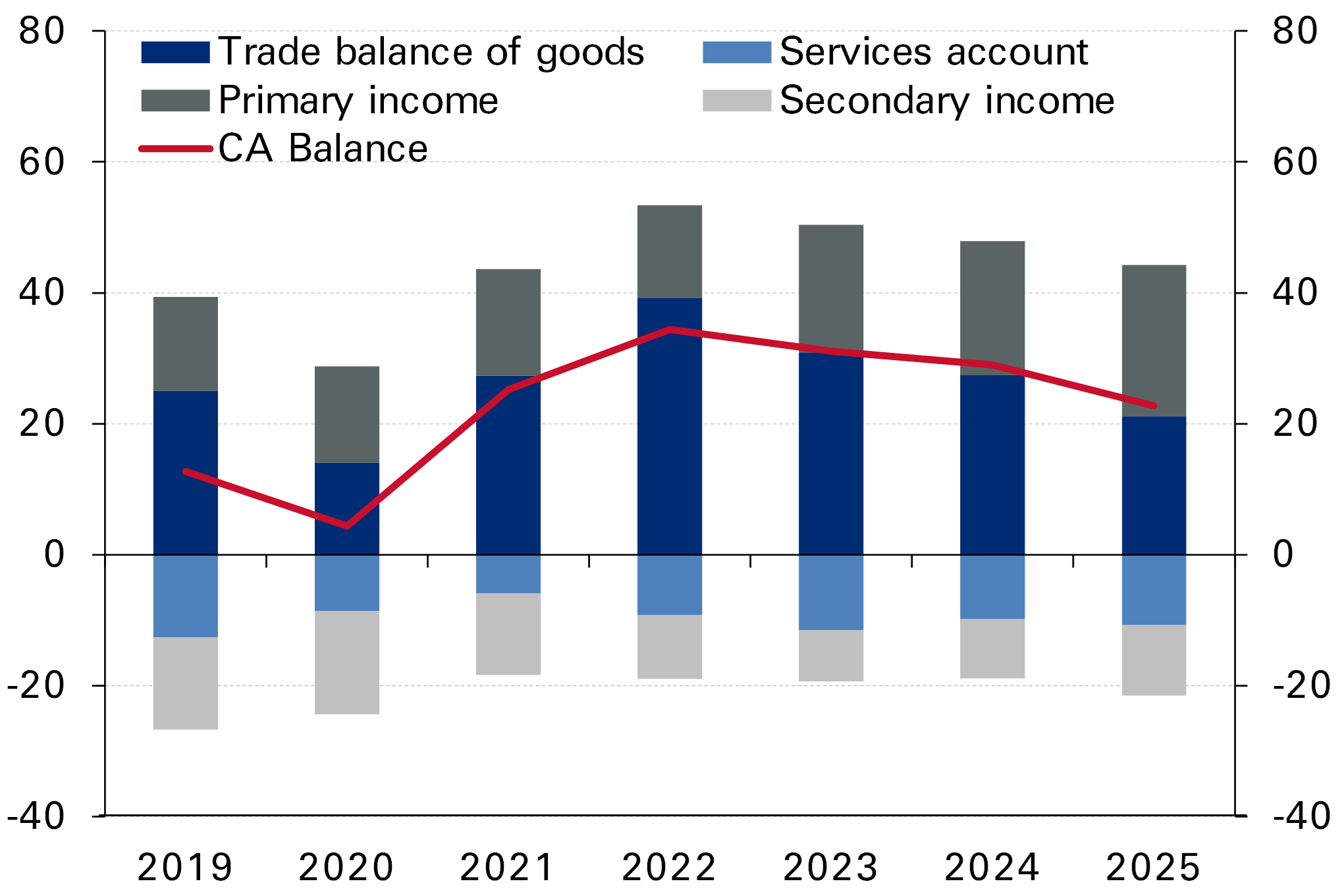
Meanwhile, net investment income, which represents the returns on capital invested abroad, a substantial part of which is likely sovereign wealth fund (KIA) returns, remained a key pillar of the current account surplus, rising almost 10% y/y to KD11.2 billion in 2025 (23.2% of GDP). The improvement was driven by stronger returns in both direct and portfolio investments from abroad, underscoring the importance of Kuwait’s external asset position in cushioning against oil revenue volatility. The secondary income deficit continued to widen for the second year in a row, to KD5.2 billion (10.6% of GDP), largely due to the increase in workers’ remittances (18.1% y/y), consistent with growth in the expatriate workforce (7.5% y/y).
On the other side of the balance of payments, net outflows from the financial account declined for the third consecutive year, to KD12.4 billion (25.8% of GDP). (Chart 2.) This moderation was driven by a 72.6% drop in direct investment in equity securities abroad to KD817.1 million, alongside continued weakness in inward FDI, which declined for the second year running, by almost 33% to KD126.4 million. Portfolio investment net outflows also declined, to KD11.6 billion on higher non-resident investments in domestic equity and debt instruments and despite the significant increase in investment in debt instruments abroad by KD7.1 billion, which likely reflects a shift in preferences toward fixed-income assets. Meanwhile, “other investment” net outflows more than doubled, driven mainly by higher deposits placed abroad by the government and local banks. At the same time, inflows into the domestic banking system strengthened, supported by rising non-resident deposits and cross-border lending activity. Finally, reserve assets declined for the third consecutive year to reach KD12.5 billion, which covers more than seven months of imports of goods & services. The external surplus is likely to moderate this year, reflecting the disruption to oil exports caused by Iran’s closure of the Strait of Hormuz. Higher oil prices could partially offset this loss were they to remain elevated after the Strait is opened and flows resume, while investment income will remain a valuable input in the current account surplus, supported by Kuwait’s large overseas assets.