 +965 2292 4888


Economic Insight
23.07.2026
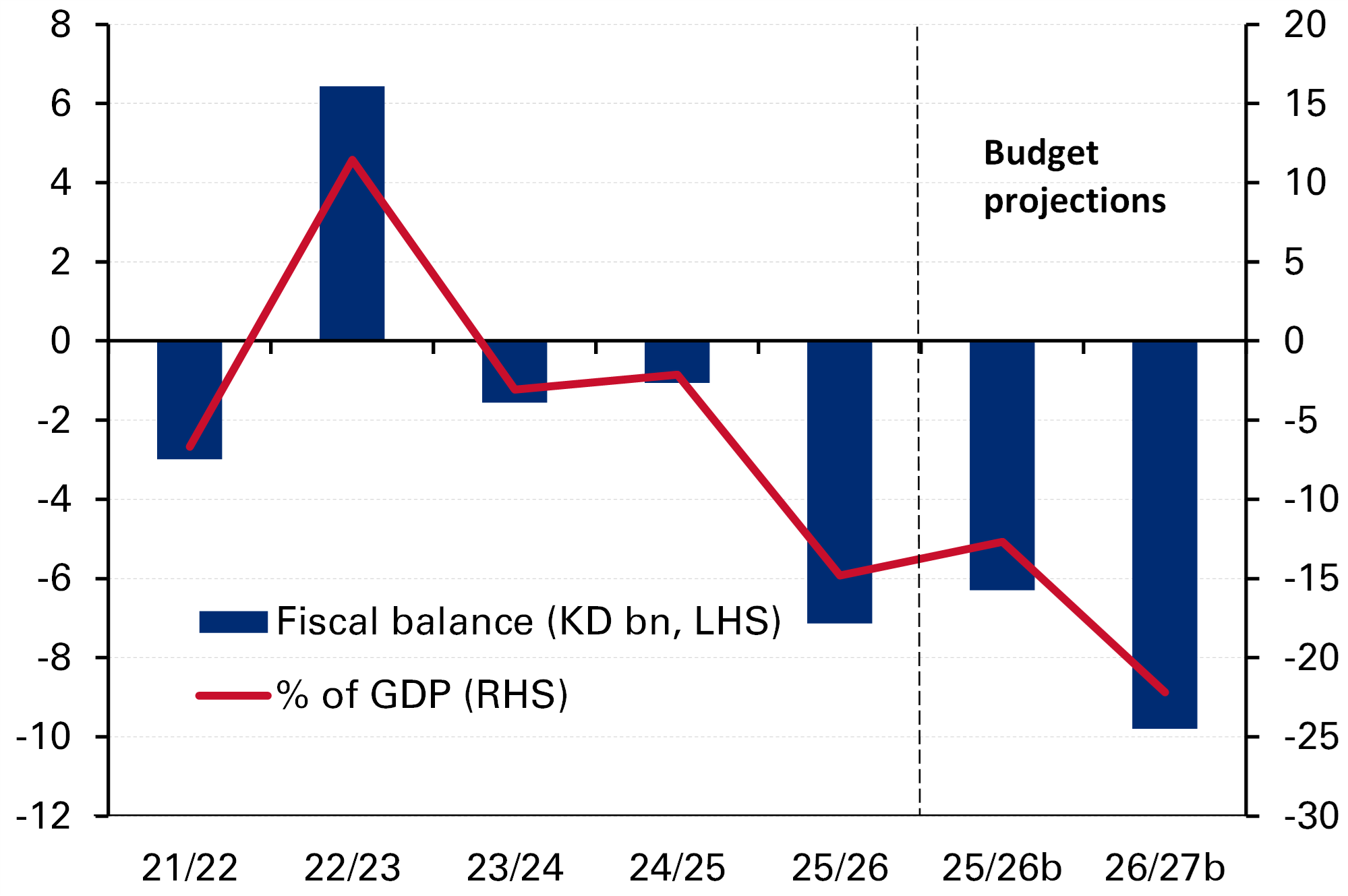
The state’s closing account for the fiscal year just-ended (FY2025/26) revealed the deficit widening from KD 1.1 billion the previous year to an unexpectedly large KD7.1 billion (est. 15% of GDP), the widest since pandemic-affected FY20/21, and exceeding the authorities’ own budget deficit projection by KD800 million. This was largely due to a sizeable decline in oil revenues linked to slower-than-expected unwinding of OPEC+ production cuts and latterly oil export disruptions caused by the US-Iran conflict rather than much higher spending as outlays were broadly on budget. In contrast, non-oil revenues continued to increase but remained relatively low. On the expenditure side, the marginal year-on-year increase of around 2% reflects restraint on the part of the authorities but also the positive effect of lower subsidy outlays due to softer oil prices in 2025. An increase in capex was positive for economic development, but it remained at historically low levels. Overall, the fiscal outcome underscores the continued exposure of the state’s finances to volatile oil revenues and the need to accelerate both fiscal consolidation plans and economic reforms, especially in an increasingly uncertain regional geopolitical environment.
The most eye-catching aspect of this fiscal release outside of the increase in the headline deficit figure is the fall in total revenues, which, at 25% y/y, is the most severe since the pandemic in 2020/21. This is almost entirely related to oil revenues, which dropped by a steep 30% y/y to come in more than 11% below budget at KD13.6 billion, an infrequent occurrence given the tendency of the budget to assume conservative oil price and production projections. While the realized oil price in FY25/26 was broadly in-line with the budgeted oil price, at $69/bbl, oil production was overestimated by some margin, with OPEC+’s pause on production increases in Q1 (to forestall potential oversupply amid softening oil prices) and then Iran’s closure of the Strait of Hormuz in March detrimentally affecting the country’s oil export revenues.
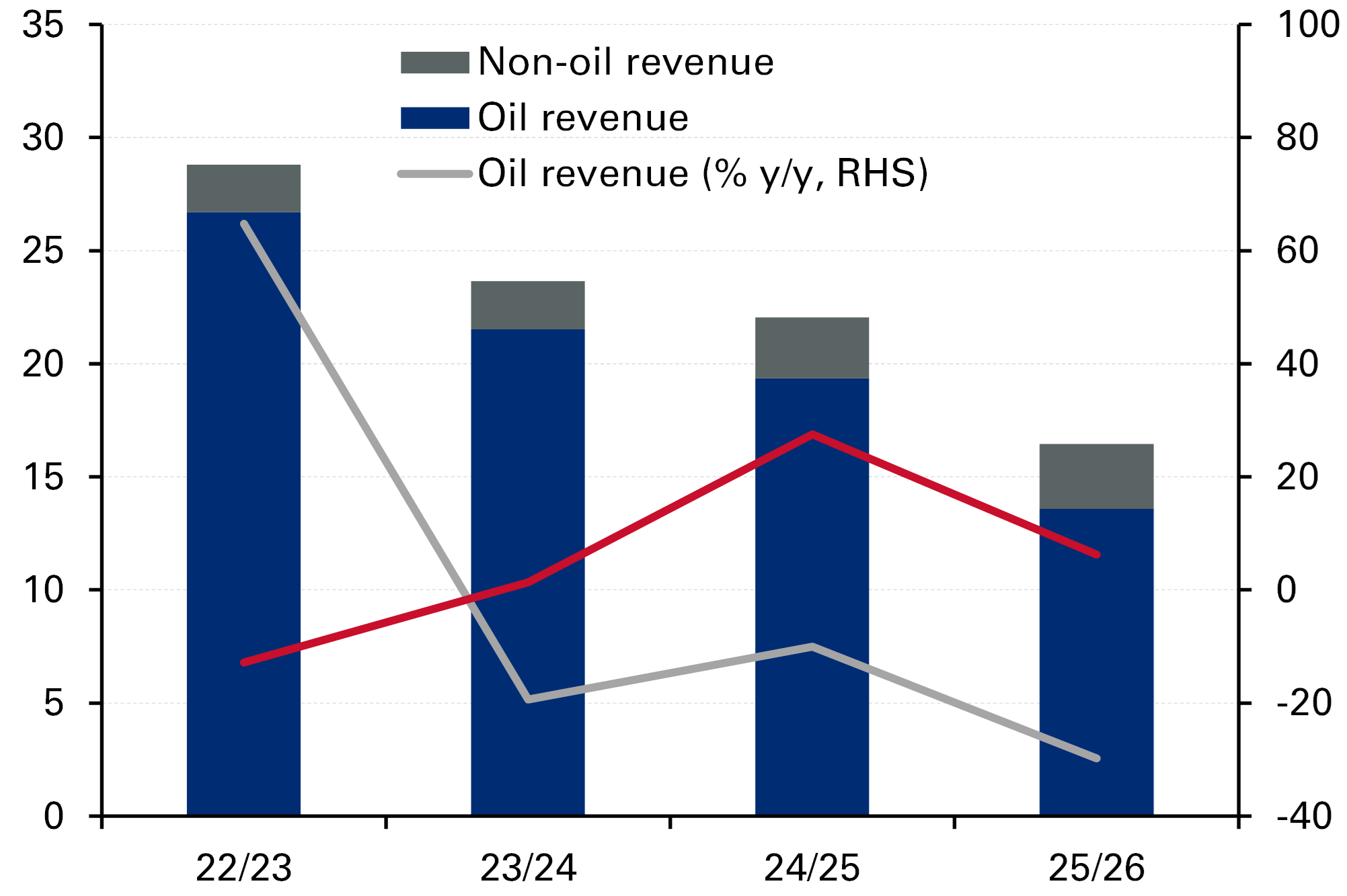
In contrast, non-oil revenues continued to improve, rising by 6% y/y, the third consecutive yearly increase thanks to ongoing efforts to mobilize non-oil revenues through measures such as higher service fees and public property rents. This follows the recent implementation of a white lands tax and a 15% corporate income tax on multinational corporations which should appear in the FY26/27 accounts. Further moves in this area are likely in the near-to-medium term, with the mooted excise tax potentially in 2027.
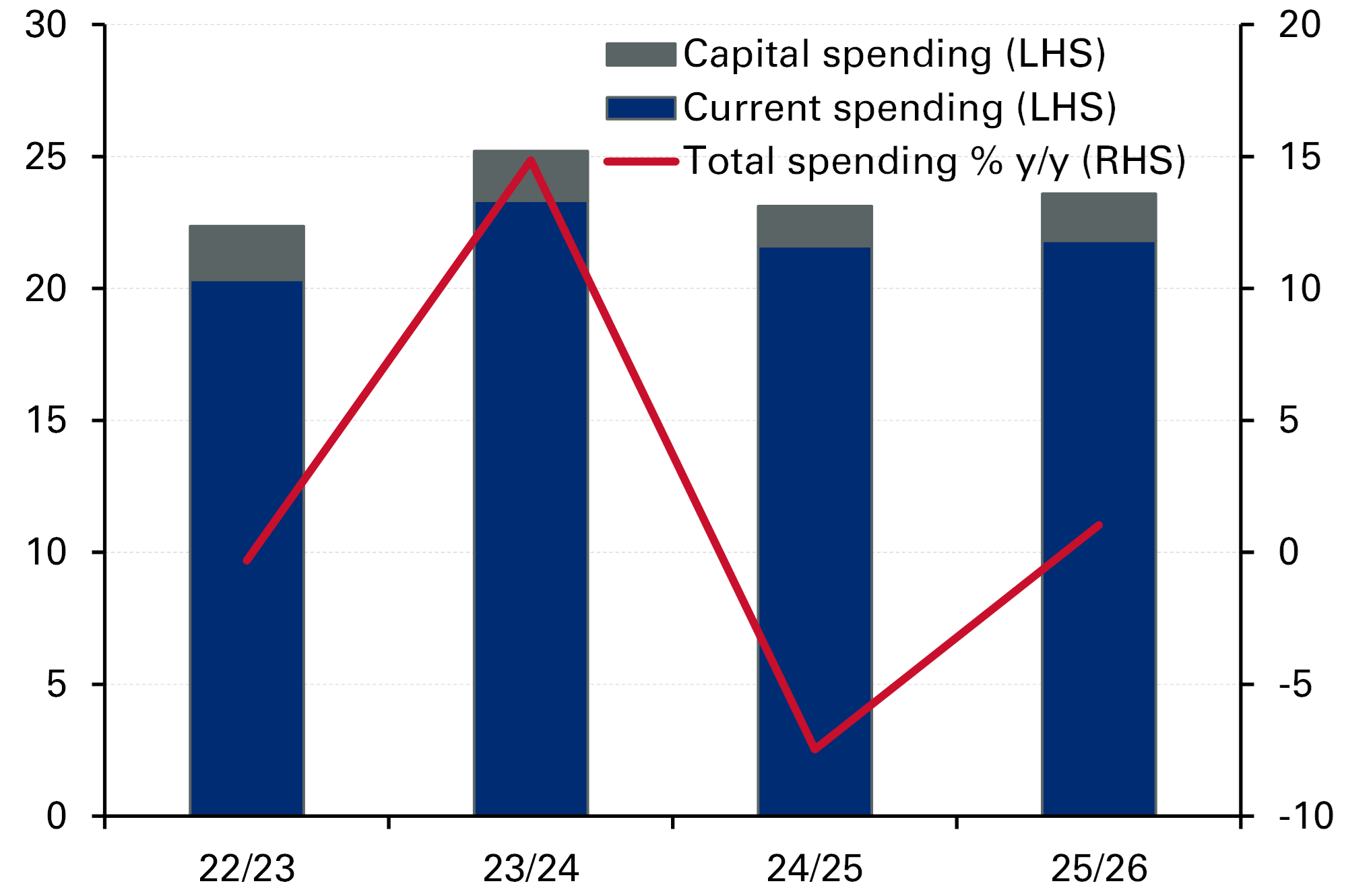
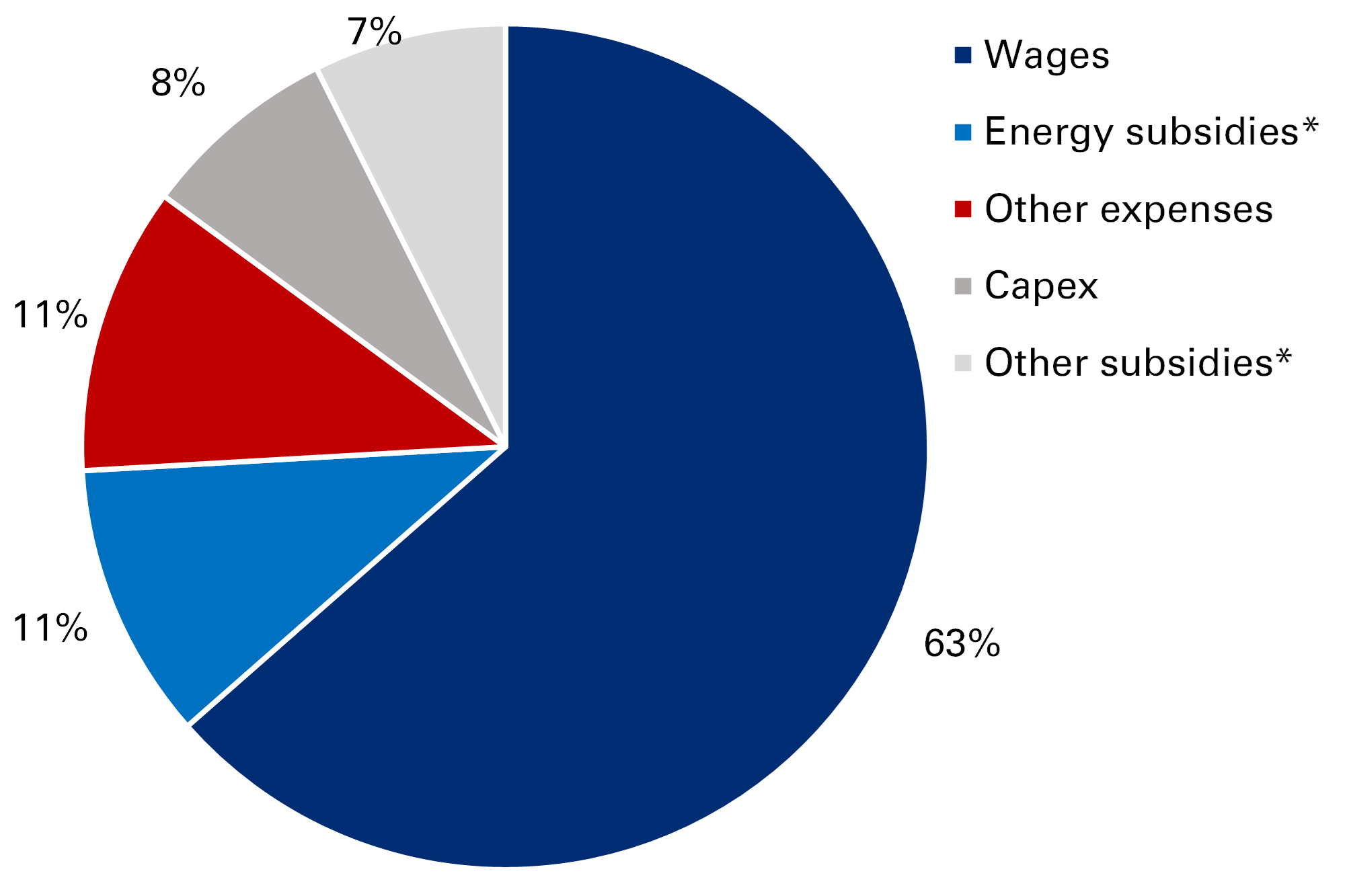
On the expenditure side, outcomes were broadly in line with expectations, with spending rising by 2.1% y/y to KD23.6 billion and coming in below budget as per the historical trend. Spending rose on compensation of employees (+5% y/y), which more than offset reductions in subsidies (-8.0%) and other (-4.0%) outlays. Restraint on the spending side has been a common theme in recent years, and one we expect to persist as the government looks to rationalize discretionary spending (remuneration, goods & services etc.) and look for efficiency gains. It is worth noting the improvement in capital expenditure, up 17% y/y to KD 1.8 billion, and the higher capex utilization rate (79% of the budget). This should be seen as a sign of recovering projects activity and a renewed government domestic investment drive, at least before the current US-Iran conflict.
Deficit financing
With the approval of the financing and liquidity law in March 2025, the government returned to the debt markets for the first time since 2017, selling a total of KD7.8 billion worth of bonds (KD 6.0 bn in FY25/26) in oversubscribed local and international offerings, including a Eurobond sale totaling $11.3 billion in October 2025. Outstanding public debt as a share of GDP is estimated to have reached 14% of GDP by the close of FY25/26. Looking ahead, the current fiscal year (FY26/27) could see the deficit widen to above 20% of GDP given the impact of the conflict on Kuwait’s public finances, especially in terms of the loss in oil export revenues due to Iran’s closure of the Strait of Hormuz since March and extra conflict-linked spending on subsidies and logistics workarounds, import materials etc. This would be on top of the extra spending on non-recurrent items already identified by the MoF in the FY26/27 budget, published pre-conflict and which envisaged a deficit of KD9.8 billion. Consequently, further debt issuance is likely this year, for which there is ample scope given that the debt law allows for up to KD30 billion cumulative over 50 years, in addition to drawdowns from the General Reserve Fund, whose total liquid asset levels remain undisclosed. Despite the increase in fiscal stress due especially to the Gulf conflict, debt levels are manageable. Kuwait’s sovereign credit ratings were recently affirmed by both S&P (AA-) and Moody’s (A1), on the back of strong external reserves.